Giant's Causeway: Why This Natural Wonder is a Must-Visit

April 4, 2026

A Giant’s Causeway visit is essential because it is Ireland’s only UNESCO World Heritage site, featuring 40,000 interlocking basalt columns formed by volcanic activity 60 million years ago. This geological masterpiece offers unparalleled coastal scenery, rich Gaelic mythology, and a profound connection to Ireland’s ancient natural history and rugged northern beauty.

What makes the Giant's Causeway so special?

When people think of Ireland, they often envision rolling green hills and rugged cliffs, but the Giant’s Causeway stands in a category of its own. Located on the north coast of County Antrim, this site is a testament to the raw power of nature. It isn't just a collection of rocks; it is a sprawling, geometric landscape that looks almost intentional, as if carved by a master craftsman. For many travelers, a Giant's Causeway visit is the highlight of their entire Irish journey because it challenges the imagination. How could nature create such perfect hexagonal shapes?

Beyond the geology, the site carries a cultural weight that is deeply ingrained in the Irish psyche. It is a place where science and folklore coexist. While geologists will tell you about tectonic plates and cooling lava, the locals will tell you about Finn McCool, the giant who built the path to reach his rival in Scotland. This blend of hard fact and whimsical legend is what makes the experience so uniquely Irish. When you walk along the stones, you aren't just a tourist; you are stepping into a story that has been told for generations.

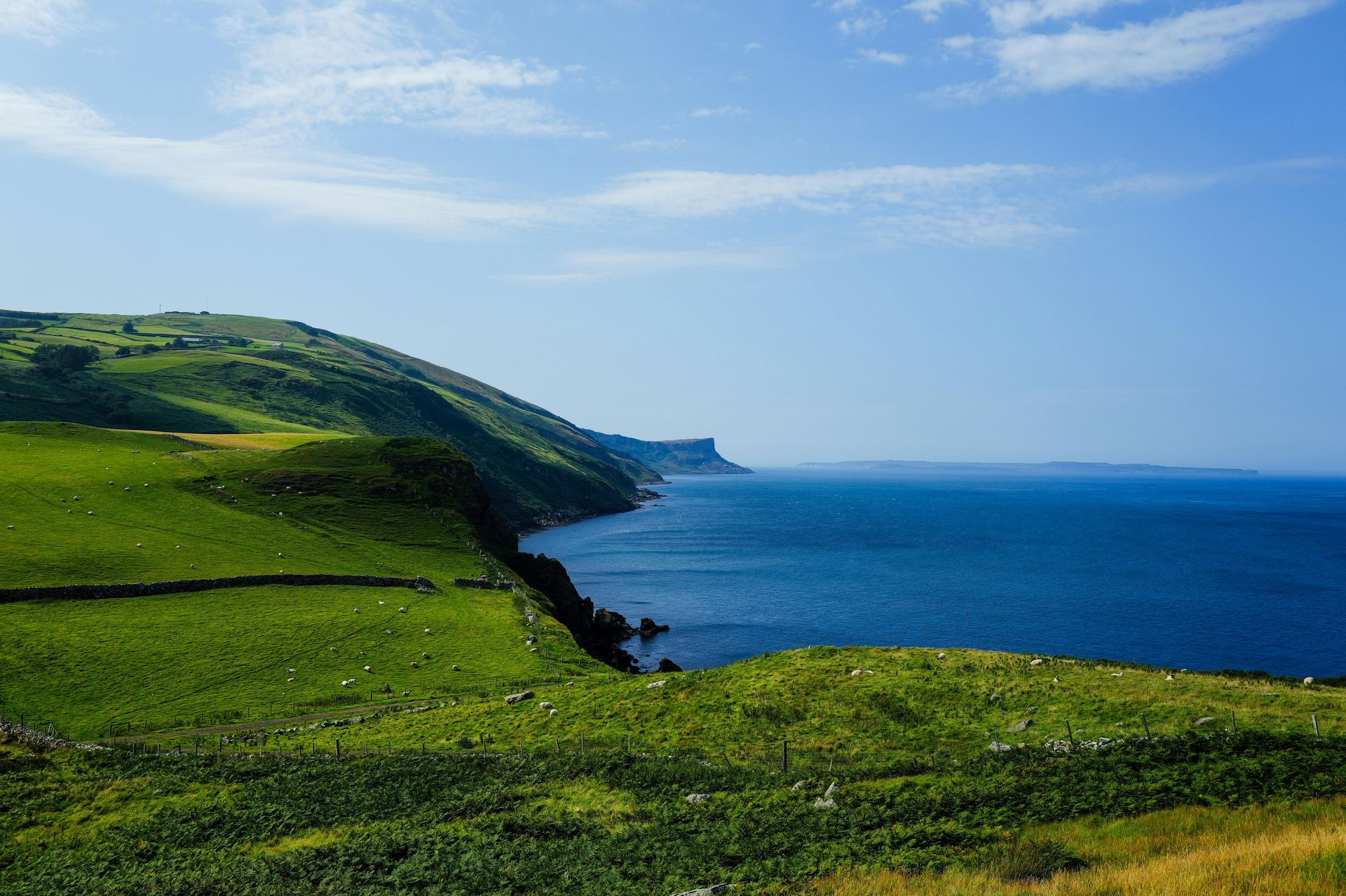
Standing on the edge of the Atlantic Ocean, with the wind whipping off the water and the dramatic cliffs of the Causeway Coast rising behind you, there is a sense of timelessness. It is one of those rare places on Earth where you can truly feel the scale of geological time. Whether you are an avid hiker, a photography enthusiast, or someone who simply appreciates natural beauty, the Causeway offers a sensory experience that stays with you long after you leave the island.

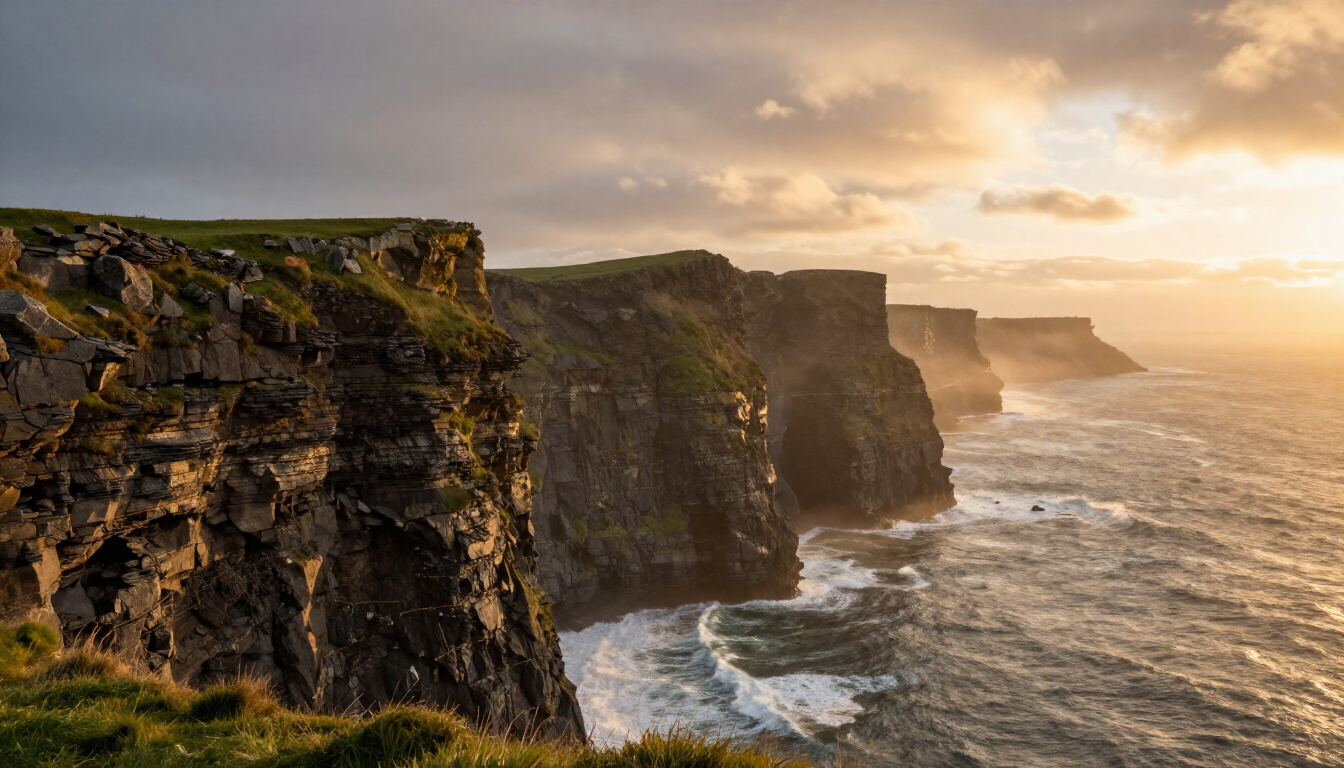
Giant's Causeway Landscape

The Science of the Stones: Volcanic Origins

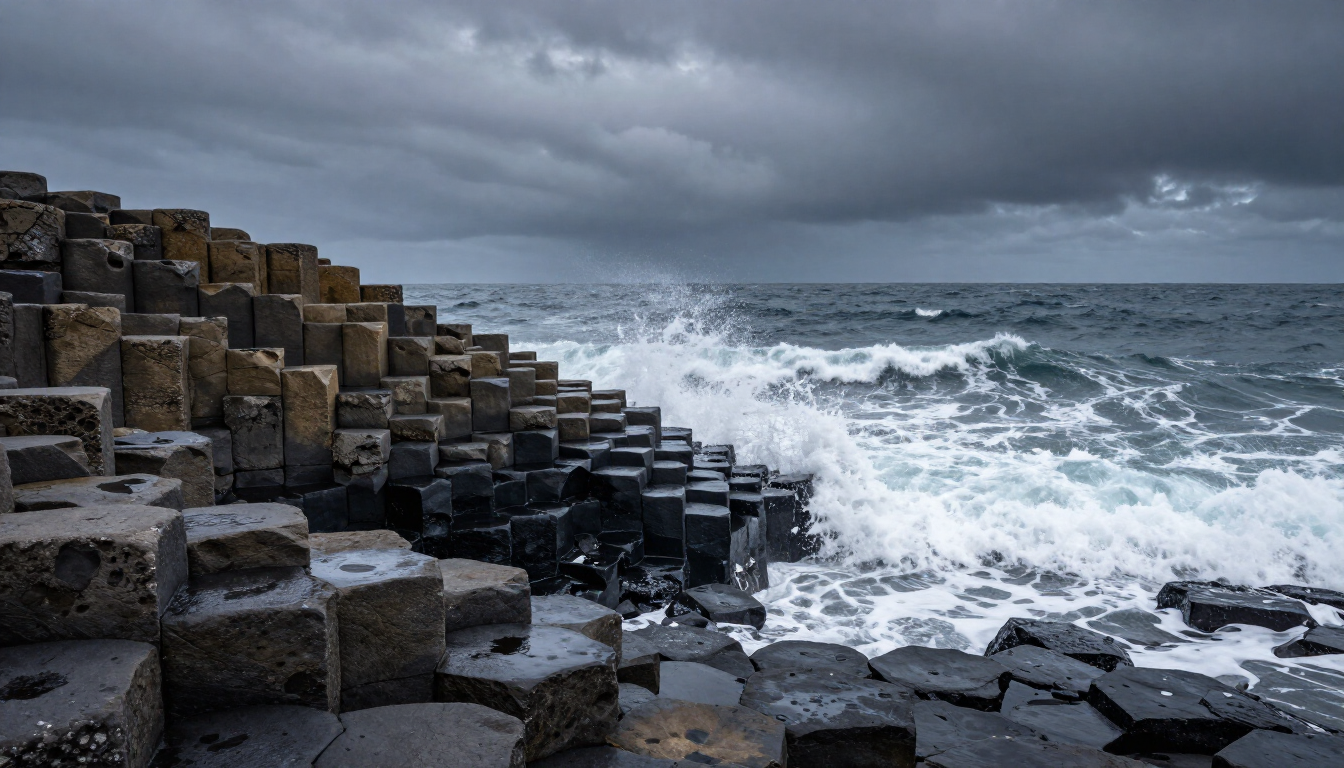
To understand why a Giant’s Causeway visit is so impactful, one must look back sixty million years. During the Paleogene period, Antrim was subject to intense volcanic activity. Highly fluid molten basalt intruded through chalk beds to form a vast plateau of lava. As the lava cooled rapidly upon contact with the air and the sea, it contracted. Much like mud cracks as it dries, the basalt cracked into the distinct pillars we see today. The speed of cooling determined the size of the columns, resulting in the remarkably uniform hexagonal patterns that draw millions of visitors annually.

While the hexagonal columns are the most famous, the site actually contains several different types of structures, including:

  • The Giant's Organ: Large vertical columns that look like pipes.
  • The Chimney Stacks: Isolated columns standing tall against the sky.
  • The Wishing Chair: A natural throne formed by the rocks.
  • The Honeycomb: Intricate patterns on the ground surface.
  • The Camel’s Hump: A basaltic intrusion shaped like a resting beast.

Who was Finn McCool?

While the volcanic theory is scientifically sound, the legend of Finn McCool (Fionn mac Cumhaill) is far more entertaining. According to Gaelic mythology, Finn was an Irish giant who was challenged to a fight by the Scottish giant Benandonner. To cross the sea and meet his foe, Finn built a causeway across the North Channel.

As the story goes, when Finn saw the immense size of Benandonner, he realized he had made a mistake. He retreated to his home, where his clever wife, Oonagh, disguised him as a baby in a cradle. When Benandonner arrived and saw the size of the ‘infant,’ he assumed the father, Finn, must be truly gargantuan. Terrified, the Scottish giant fled back across the sea, ripping up the causeway behind him so Finn couldn't follow. This is why similar basalt formations can be found at Fingal’s Cave on the Scottish isle of Staffa. This narrative adds a layer of magic to every Giant's Causeway visit, making it a favorite for families and history buffs alike. Exploring these myths is a core part of what we do at Evergreen Private Tours, ensuring the authentic spirit of Ireland is shared with every guest.

Exploring the Antrim Coast Beyond the Stones

A visit to the Causeway is rarely just about the stones themselves. The surrounding Causeway Coast is an Area of Outstanding Natural Beauty (AONB) and offers some of the most dramatic driving routes in the world. If you are planning a trip, you should consider making it part of a broader 7-day private tour of Ireland to ensure you see the full scope of the northern coastline.

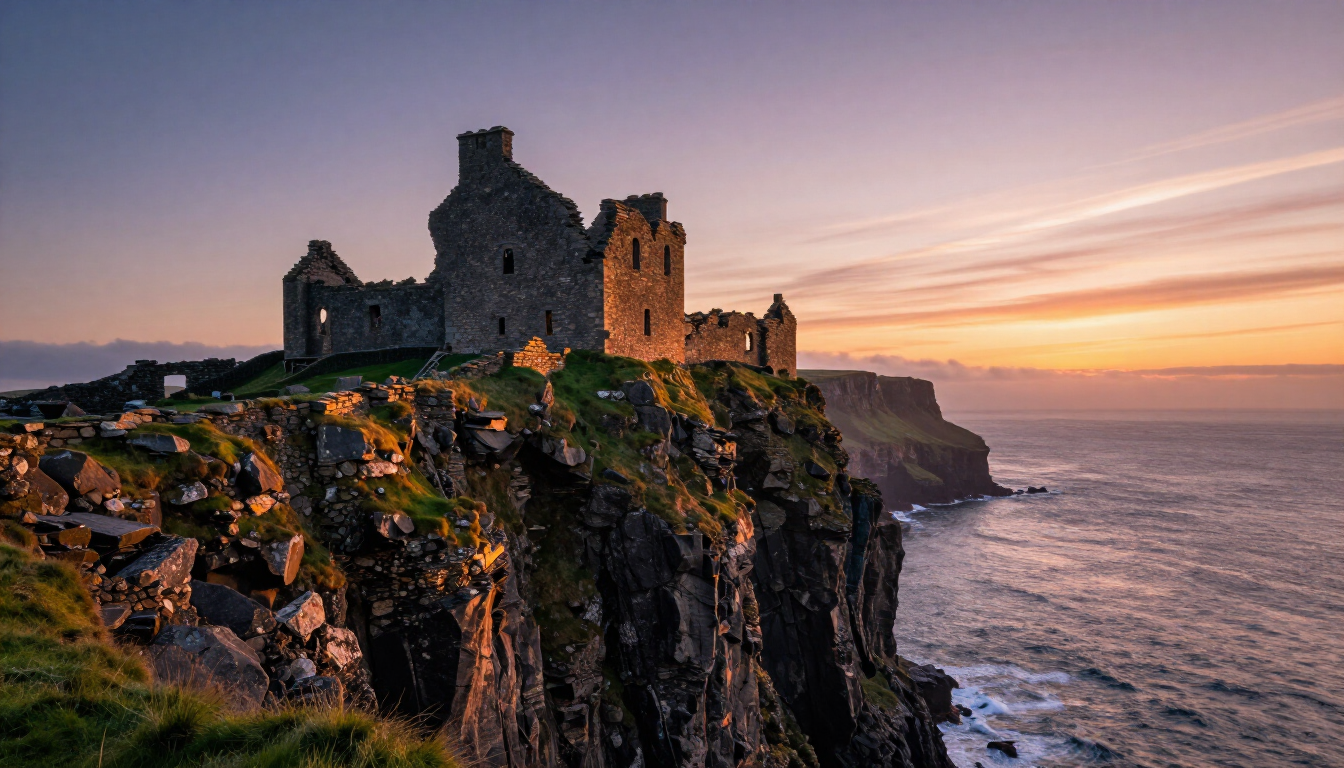
Just a short drive away, you will find the ruins of Dunluce Castle, perched precariously on a cliff edge. It looks like something straight out of a fantasy novel—and indeed, it served as a filming location for Game of Thrones . Then there is the Carrick-a-Rede Rope Bridge, which offers a thrilling walk across a 100-foot chasm to a tiny island used by salmon fishermen for centuries. The nearby town of Bushmills is home to the world’s oldest licensed whiskey distillery, providing a perfect spot for a post-hike celebration.

Dunluce Castle Ruins

Is a private tour to Giant's Causeway worth it?

While you can certainly drive yourself to the Causeway, a private tour offers an entirely different level of immersion. With Evergreen Private Tours, you aren't just following a GPS; you are traveling with a guide who has over 25 years of experience. This expertise allows you to bypass the crowds by arriving at the optimal times, and it gives you access to hidden viewpoints that most tourists miss.

For those on a complete Ireland private tour, the Giant's Causeway serves as a pivotal moment in the itinerary. A private guide can tailor the experience to your physical ability and interests. Whether you want to hike the full cliff-top path for the best aerial views or take the shuttle down to the stones to focus on photography, a private tour provides the flexibility that a bus tour simply cannot. More importantly, your guide will weave together the history, geology, and folklore into a seamless narrative, making the landscape come alive in a way that guidebooks cannot replicate.

Benefits of a private guide include:

  • Expert navigation through the winding coastal roads.
  • Deep insights into local history and Gaelic lore.
  • Flexible scheduling to avoid peak tourist hours.
  • Personalized recommendations for local dining and hidden gems.
  • Comfortable, high-end transport allowing you to focus on the views.

How to reach the Giant's Causeway from Belfast or Dublin?

The logistics of a Giant's Causeway visit depend on your starting point. From Belfast, it is a relatively short drive of about 60 to 90 minutes, making it an easy day trip. However, many visitors choose to stay in the nearby coastal villages like Portrush or Bushmills to soak in the atmosphere. From Dublin, the journey is longer—roughly three hours each way. While possible in a single day, we often recommend incorporating it into a multi-day trip to the North to avoid spending too much time in the car.

If you are traveling from Dublin, the route takes you through the heart of the Boyne Valley and past the historic city of Belfast. Stopping in Belfast for a Black Taxi tour or a visit to the Titanic Museum can complement the natural beauty of the Causeway with a dose of modern history. By choosing a private tour, you can combine these experiences into a curated itinerary that maximizes your time and minimizes stress.

Preparing for Your Coastal Adventure

To make the most of your time at the Causeway, preparation is key. The weather in Northern Ireland is notoriously unpredictable, and the coast is particularly susceptible to sudden changes. You might experience sunshine, rain, and wind all in the span of an hour. Wearing layers is the best way to stay comfortable, and sturdy footwear is non-negotiable if you plan on climbing the basalt columns, as they can be quite slippery when wet.

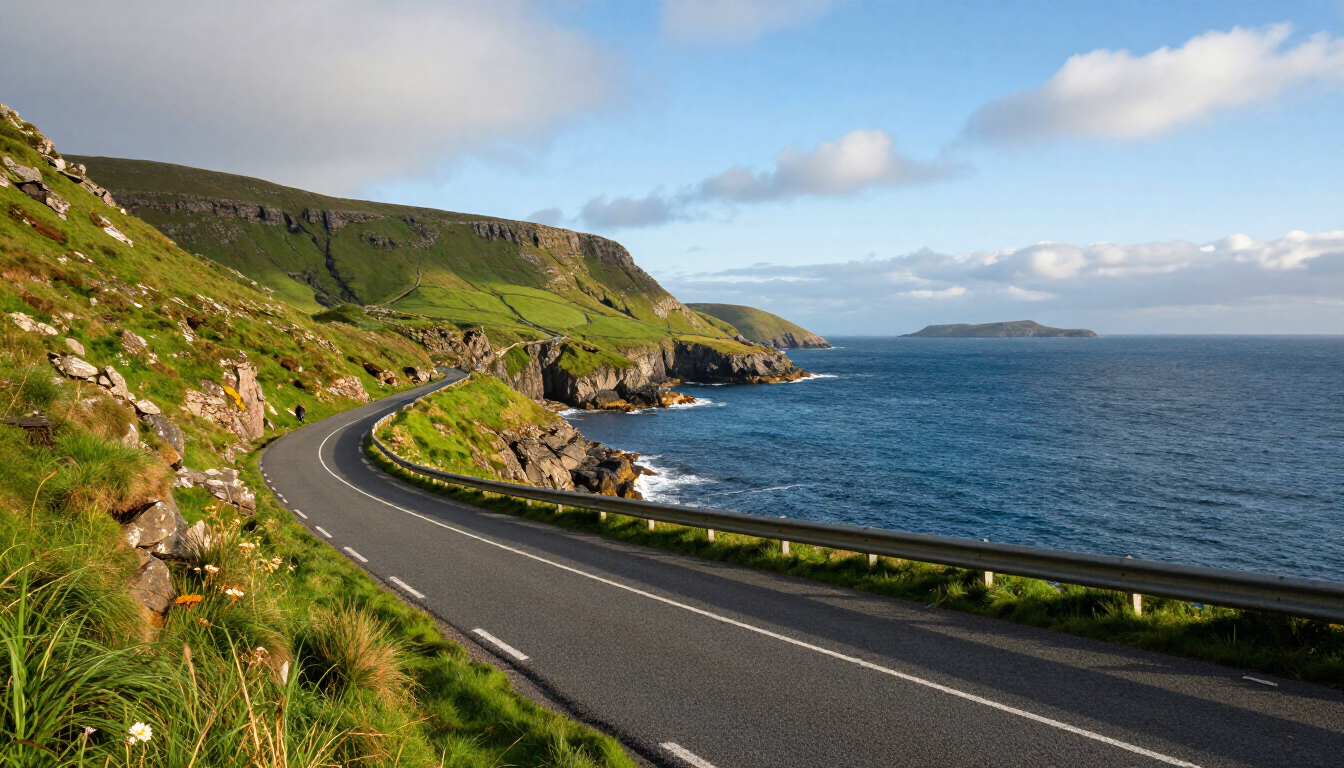
Scenic Coastal Road

Essential items for your visit:

  • Waterproof jacket with a hood.
  • Sturdy walking shoes or hiking boots.
  • A camera or smartphone with plenty of storage.
  • A small backpack for water and snacks.
  • Sunscreen (yes, even in Ireland!).

Summary and Key Takeaways

A Giant’s Causeway visit is a journey into the heart of Ireland’s natural and mythological heritage. Whether you are drawn by the scientific mystery of the hexagonal columns or the legendary tales of Finn McCool, the site offers a profound experience that resonates with every traveler. To truly appreciate the Causeway, it should be viewed as part of the wider, majestic Antrim coastline, ideally guided by an expert who can unlock its secrets.

  • Unmatched Geology : Witness 40,000 hexagonal columns formed by ancient volcanic activity.
  • Rich Folklore : Discover the legendary battle between the giants Finn McCool and Benandonner.
  • UNESCO Status : Explore Ireland's only World Heritage site dedicated to natural wonders.
  • Coastal Beauty : Enjoy the surrounding Causeway Coast, including Dunluce Castle and the Carrick-a-Rede Rope Bridge.
  • Expert Guidance : Enhance your visit with a private tour for a personalized and stress-free experience.

Travel Ireland

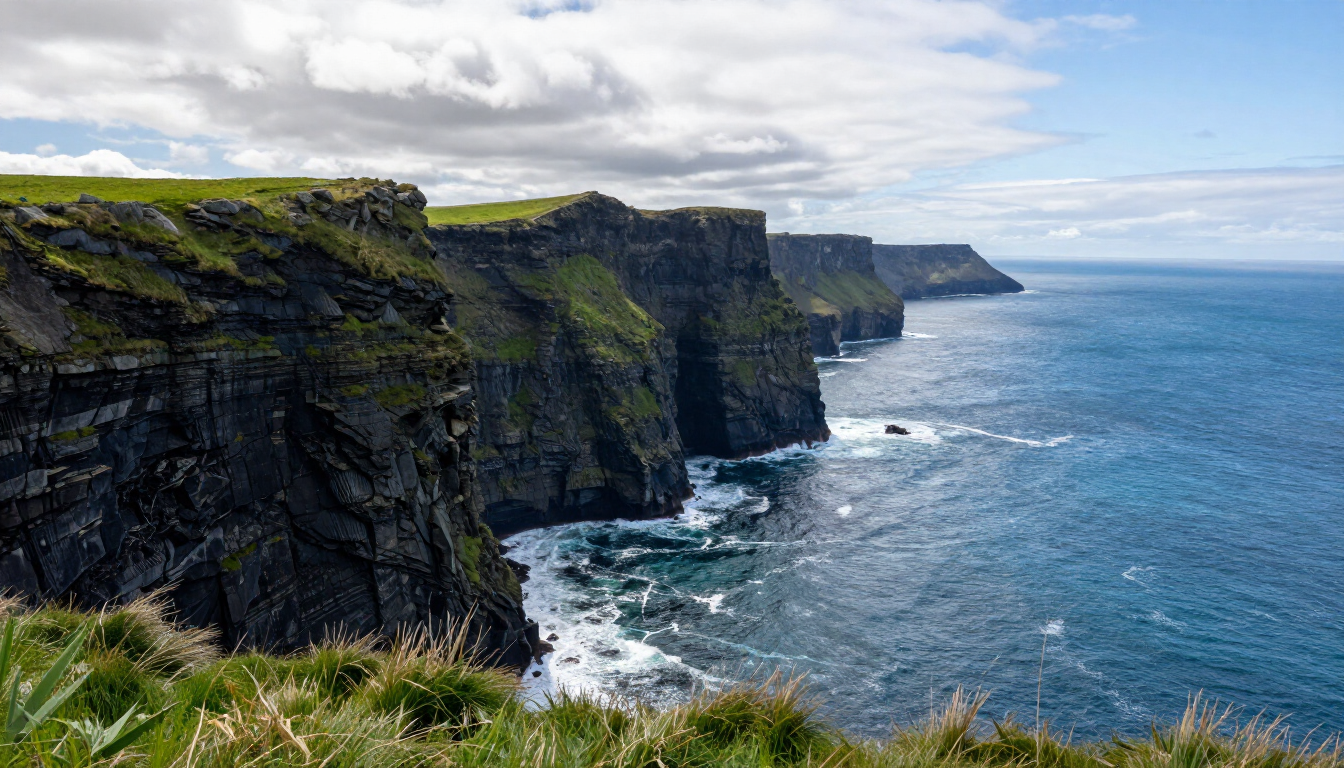
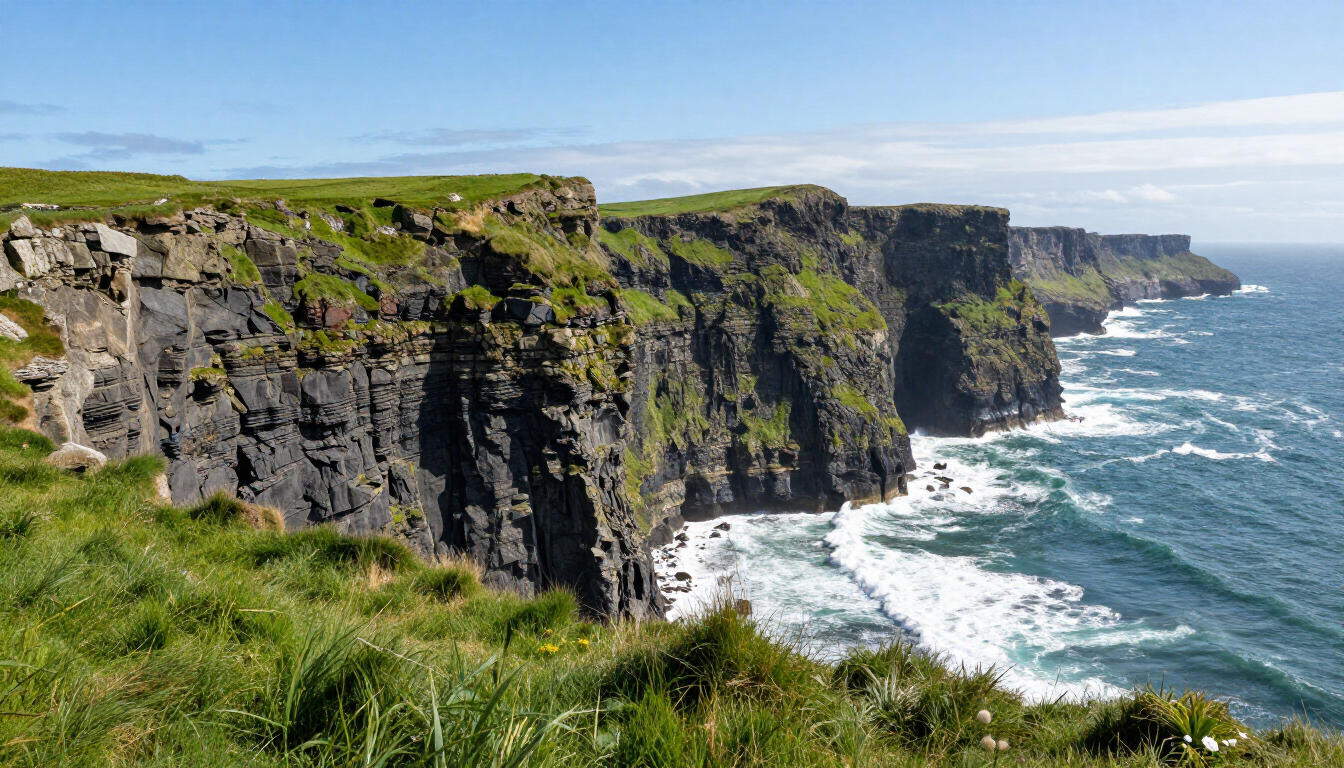
The majestic Cliffs of Moher at sunset
April 4, 2026
Discover the magic of the Cliffs of Moher with Evergreen Private Tours. Learn why this iconic site is a most-see on your next private tour of Ireland and how to avoid the crowds.