What Americans Should Know Before Visiting Ireland
Americans visiting Ireland should prepare for narrow roads, 'four seasons in one day' weather, and a relaxed cultural pace. Essential tips include bringing a Type G plug adapter, booking an automatic rental car early, and understanding that tipping is modest (10–12%) compared to standard American practices.
What are the essential entry requirements for Americans?
For Americans visiting Ireland, the logistics of entry are relatively straightforward, but they require attention to detail. United States citizens do not need a visa to enter the Republic of Ireland or Northern Ireland for tourism stays of up to 90 days. An ETA is required for Northern Ireland. However, your passport must be valid for the duration of your stay. It is always a good idea to have at least six months of validity remaining to avoid any unforeseen issues at the border.
Upon arrival, you will pass through immigration. While the process is usually quick, be prepared to answer basic questions about your itinerary, where you are staying, and when you plan to depart. If you are flying into Dublin or Shannon, you will find modern facilities designed to handle international arrivals efficiently. If your journey includes a visit to the North, you should know that there is no hard border between the Republic of Ireland and Northern Ireland. You can drive from Dublin to Belfast without stopping for a passport check, though you are technically entering a different country (the United Kingdom).
Connectivity is another primary concern for visitors. Ireland uses the Type G power plug (three rectangular pins), which is the same as the UK but different from the rest of Europe. Your American devices will need an adapter. Furthermore, check if your electronics are dual-voltage (110V-240V). Most modern smartphones and laptops are, but hair dryers and curling irons often are not and can blow a fuse if used with just a simple plug adapter.
Driving in Ireland: Left Side and Narrow Lanes
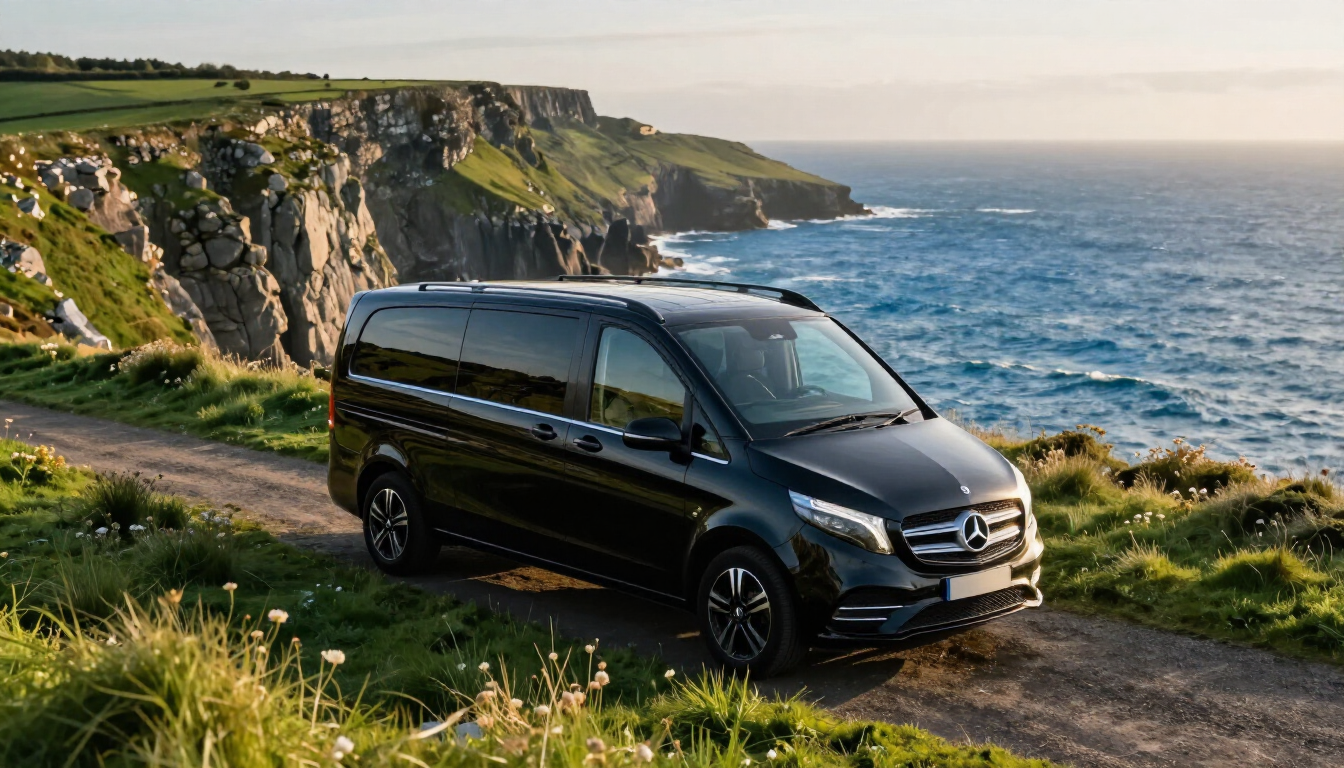
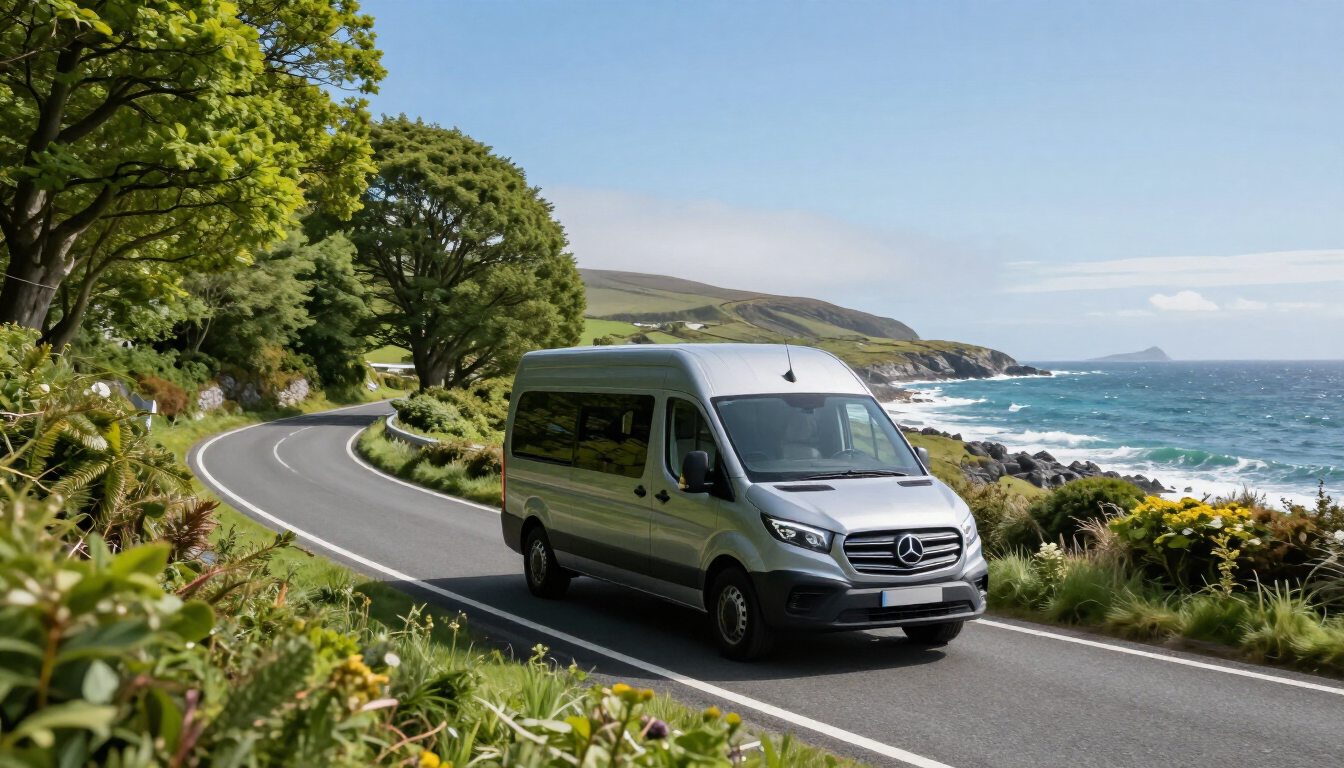
One of the biggest adjustments for Americans visiting Ireland is transportation. In Ireland, we drive on the left side of the road, and the steering wheel is on the right side of the car. This can be a daunting prospect for those used to wide American interstates. Irish roads, particularly in rural areas like The West Coast , are famously narrow and winding. You may find yourself sharing a 'two-lane' road with a stone wall on one side and a large tour bus on the other.
To make your journey smoother, consider these driving tips:
- Rent an Automatic: Most cars in Ireland are manual (stick-shift). If you aren't an expert at shifting with your left hand, pay the premium for an automatic.
- Check Your Insurance: Many US credit cards exclude CDW (Collision Damage Waiver) coverage in Ireland. Verify this before you arrive or buy the local insurance.
- Master the Roundabout: Roundabouts are everywhere. Remember to yield to traffic already in the circle (coming from your right).
- Expect Slower Travel: A 50-mile trip in Ireland can take two hours due to narrow roads and scenic stops. Don't rush your itinerary.
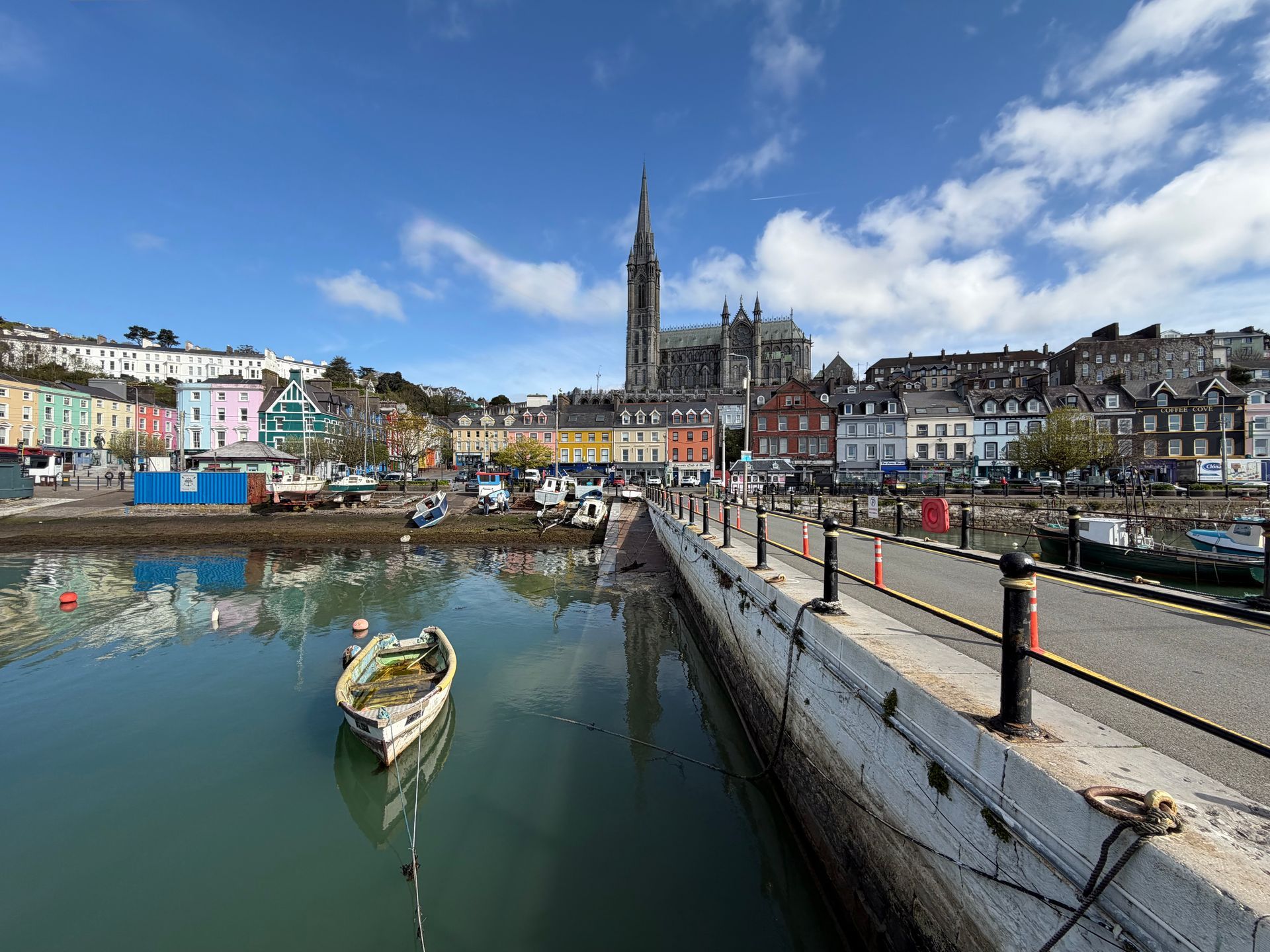
- Parking Challenges: Cities like Galway and Cork have limited parking. Look for 'multi-storey' car parks rather than street parking.
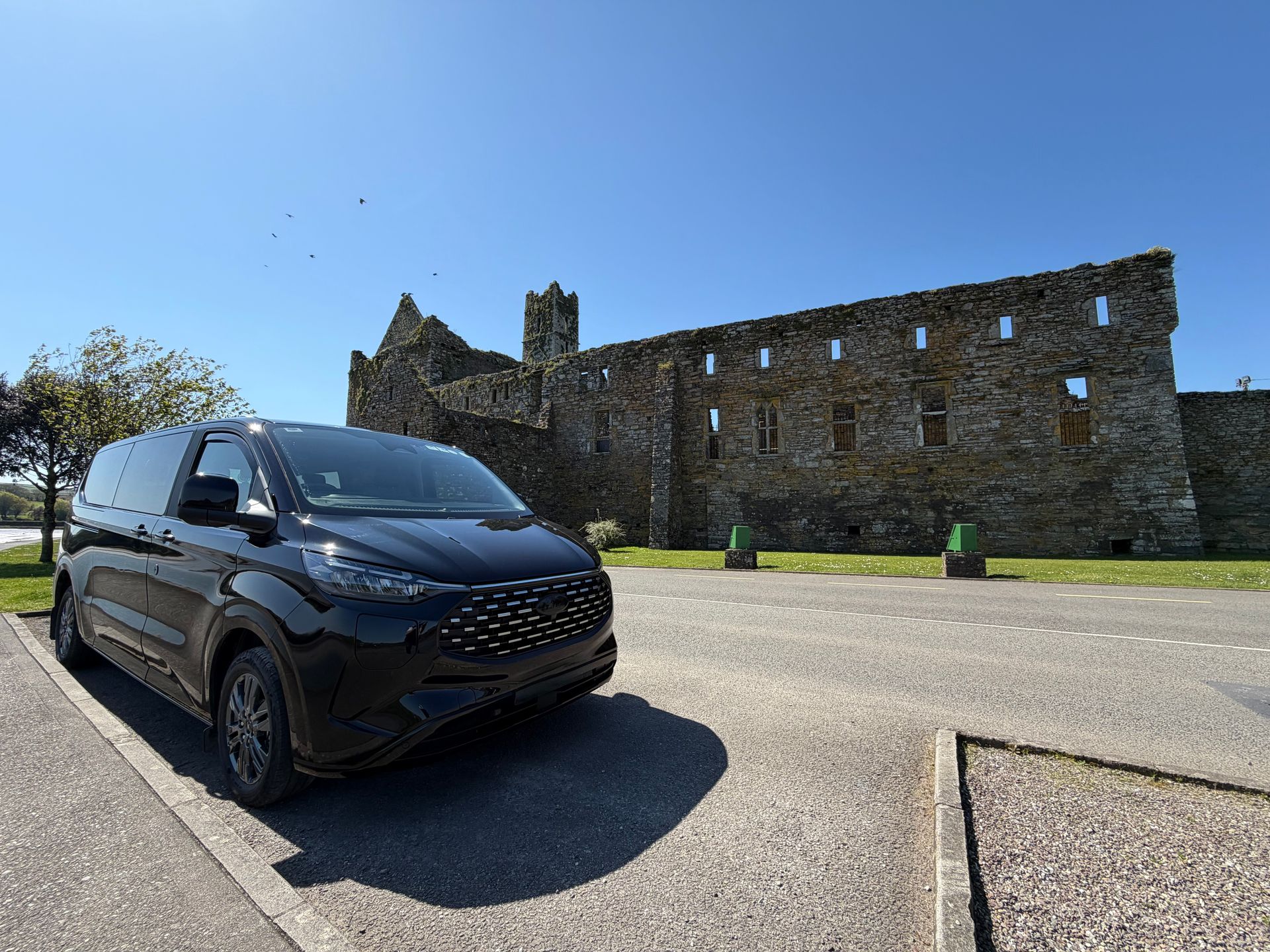
If the thought of navigating these roads sounds stressful, many visitors opt for a 7 Day Ireland Tour where a professional guide handles the driving. This allows you to look out the window at the stunning scenery rather than gripping the steering wheel in a cold sweat.
Is the weather in Ireland really that rainy?
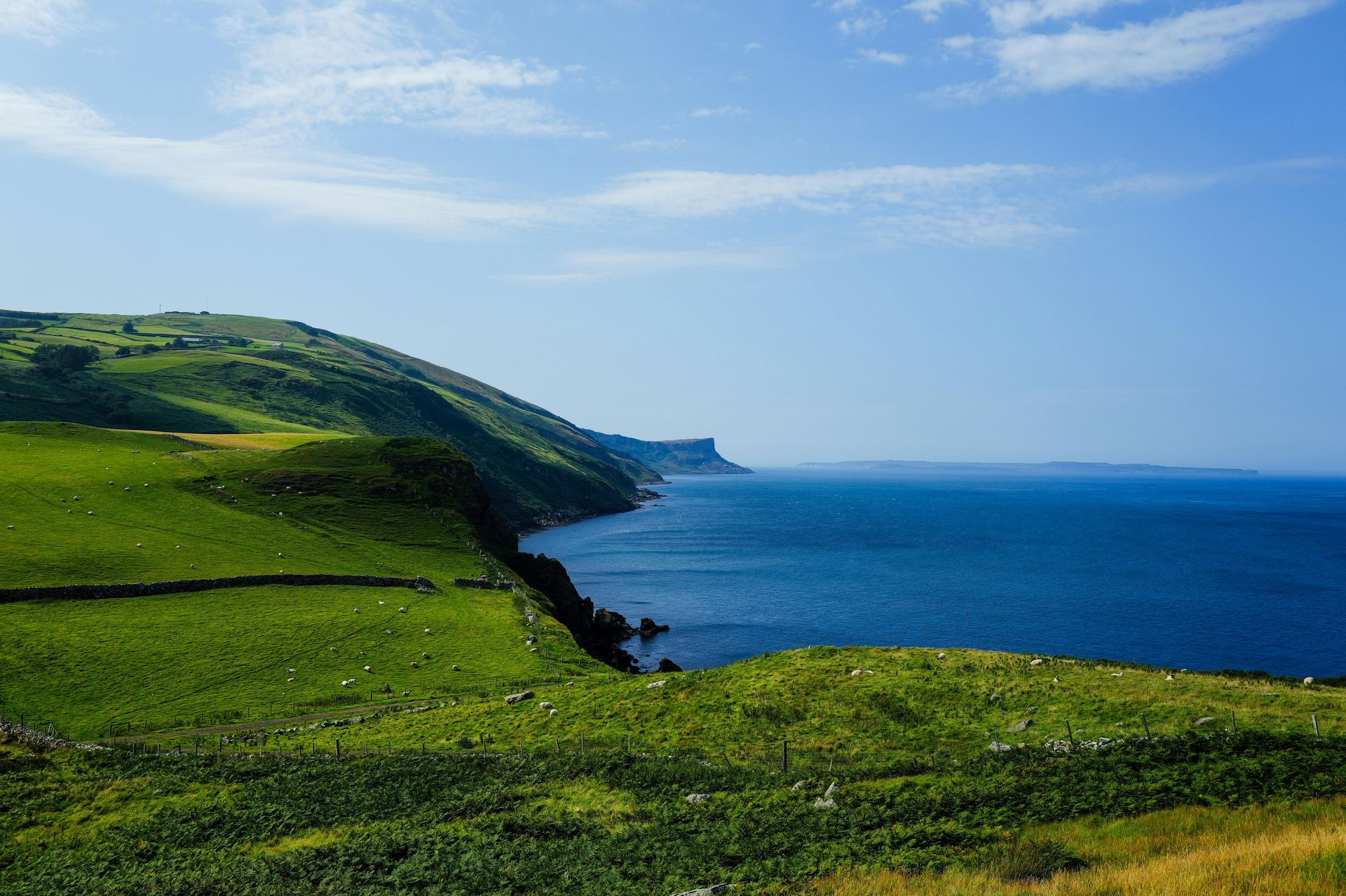
The short answer is yes, but it is rarely a constant downpour. The Irish weather is famously fickle, leading to the local phrase "four seasons in one day." You might wake up to bright sunshine, experience a heavy shower by lunch, and see a rainbow over a misty landscape by the afternoon. This moisture is what keeps the landscape so incredibly green, earning Ireland the nickname 'The Emerald Isle.'
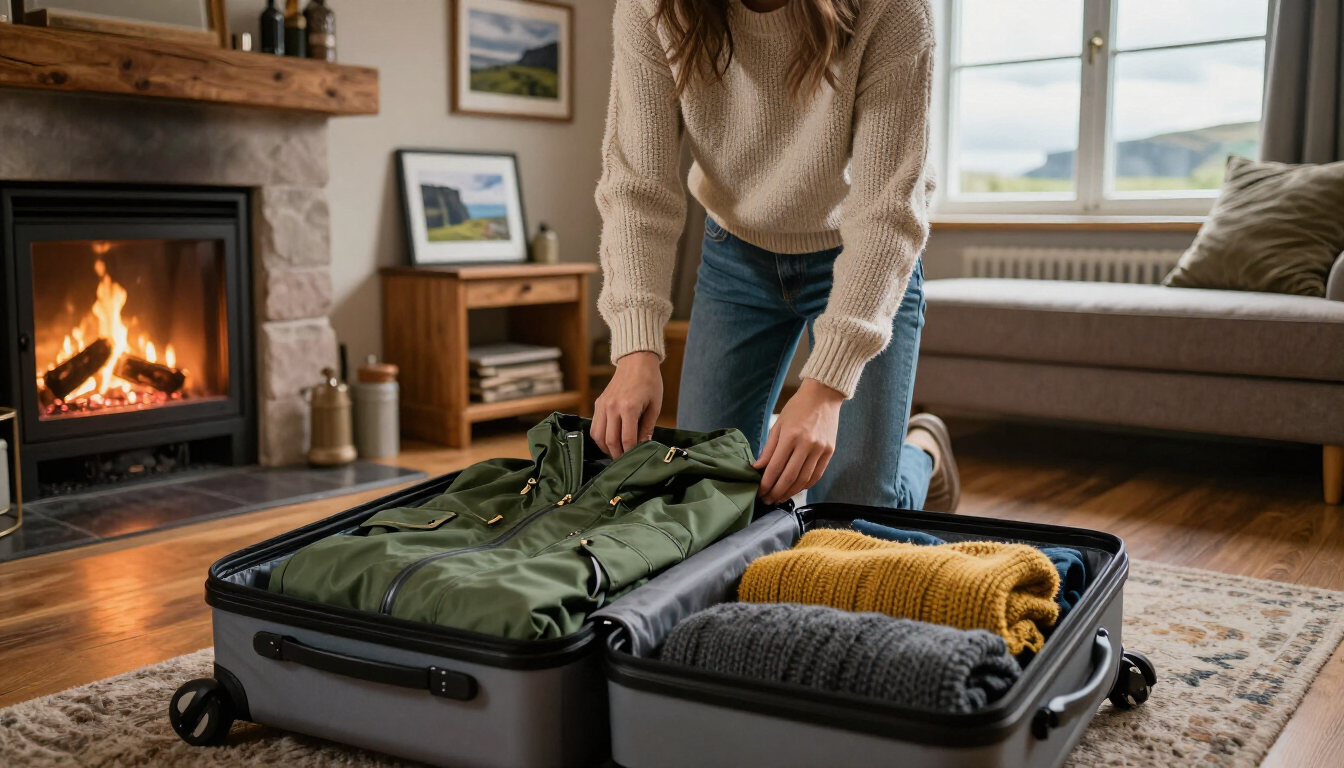
For Americans visiting Ireland, the key to comfort is layering. Avoid heavy, singular coats that are hard to shed. Instead, bring a high-quality, breathable waterproof rain shell. Beneath that, wear layers like wool sweaters or light fleeces that can be added or removed as the temperature fluctuates. Wind is often a bigger factor than the rain itself, especially along the Atlantic coast, so umbrellas are frequently useless as they tend to flip inside out. A sturdy hood is your best friend.
How does tipping work for Americans visiting Ireland?
Tipping culture in Ireland is much more reserved than in the United States. In the US, a 20% tip is often considered the baseline for good service. In Ireland, hospitality workers are paid a more substantial hourly wage, and while tips are appreciated, they are not expected to the same degree. This can be a confusing point for many Americans visiting Ireland who want to be polite without overpaying.
When dining out, a tip of 10% to 12% is standard for good table service. If a 'service charge' is already included on the bill (common for groups of six or more), no additional tip is necessary. In pubs, you generally do not tip the bartender for a round of drinks. However, if you are sitting at a table and a server is bringing drinks to you all night, leaving a few Euros at the end is a kind gesture. For taxi drivers, rounding up to the nearest five or ten Euro note is sufficient.
Currency and Connectivity: Euro vs. Pounds
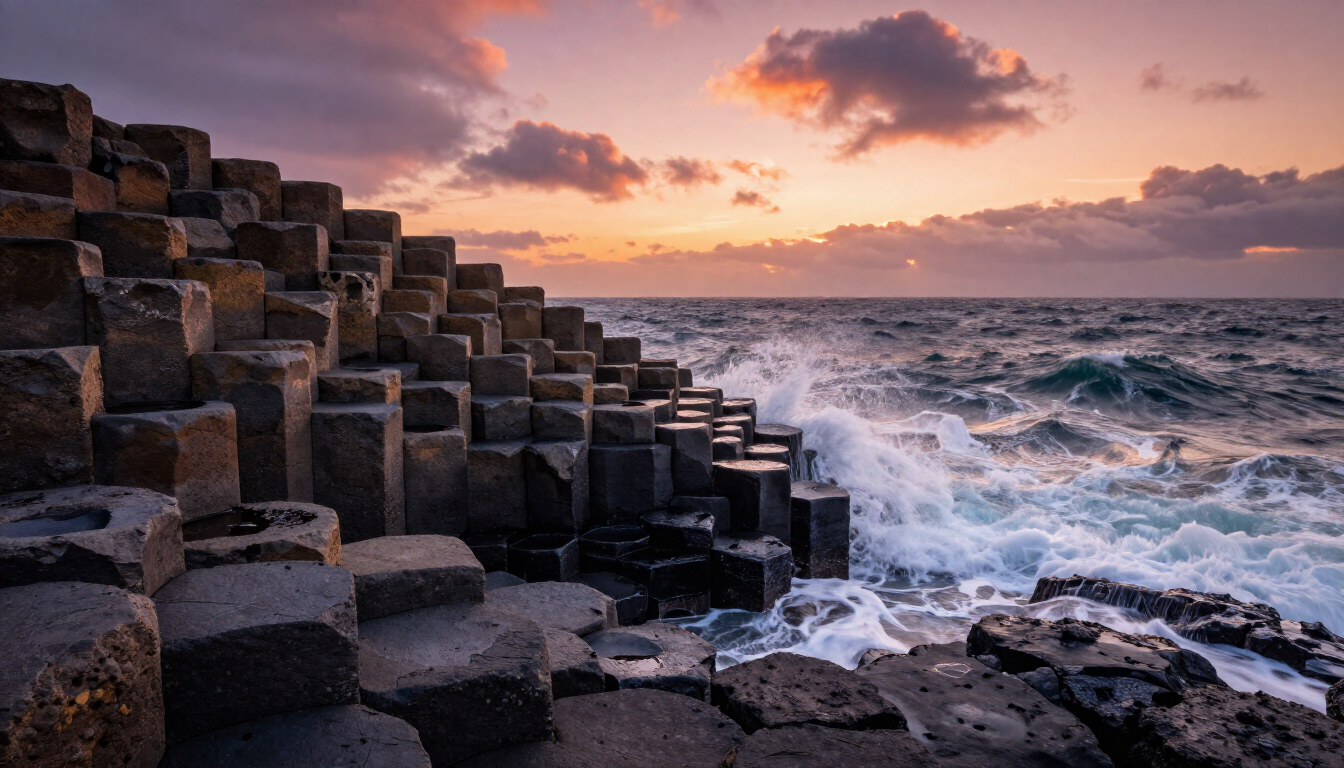
It is vital to remember that the island of Ireland is divided into two separate political entities. The Republic of Ireland (the south) uses the Euro (€). Northern Ireland, which is part of the United Kingdom, uses the British Pound Sterling (£). If your travels take you to The North to see the Giant's Causeway or Belfast, you will need to switch currencies or rely on your credit card.
Credit cards are widely accepted throughout the island, especially Visa and Mastercard. American Express is less common and may not be accepted in smaller shops or rural B&Bs. Always choose to be charged in the local currency (Euro or Pounds) rather than US Dollars when a card machine asks; the bank's exchange rate is almost always better than the merchant's. It is still wise to carry some cash for small purchases in traditional pubs or at local markets where 'tap to pay' might not be available.
What is the best way to see the authentic Ireland?
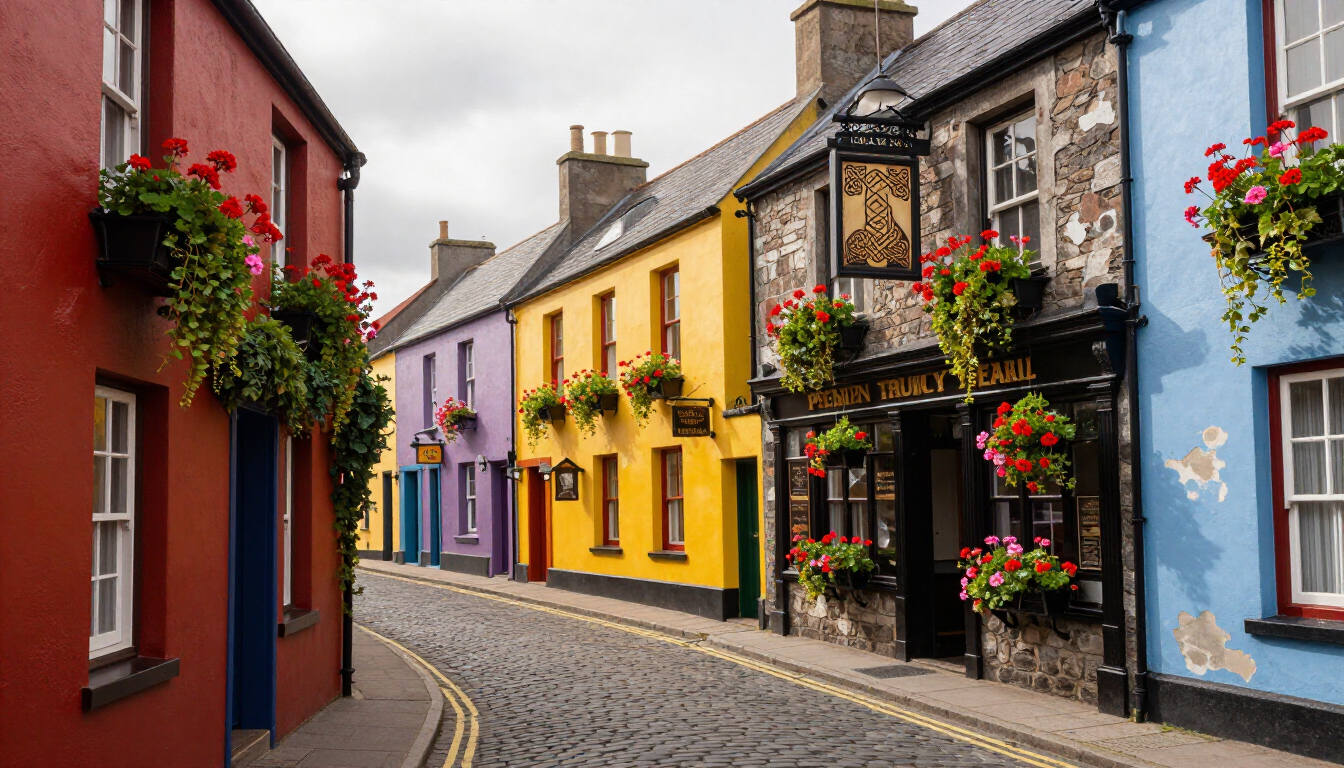
Many Americans visiting Ireland for the first time stick to the 'tourist trail,' hitting the major landmarks but missing the soul of the country. To truly Explore Ireland , you need to get off the main highways and into the smaller villages where the 'craic' (fun, social atmosphere) is found. This is where local knowledge becomes invaluable.
At Evergreen Private Tours, we have spent over 25 years helping guests discover the hidden corners of our home. Whether it's a secret view of the Cliffs of Moher or a quiet pub where the trad music is played for the love of it rather than for a crowd, a private guide transforms a vacation into a story. With limited availability each year, we focus on providing an exclusive experience that moves at your pace. This is particularly helpful for families or multi-generational groups who have different mobility needs or interests.
Understanding the 'Craic' and Social Norms
Irish culture is deeply rooted in conversation and social interaction. For Americans, who are often used to fast-paced service and direct communication, the Irish approach can seem 'laid back' or even slow. Don't mistake this for inefficiency; it's a cultural preference for human connection over speed. When you enter a shop or a pub, a simple 'hello' or 'how's it going?' is expected. Small talk is the national pastime.
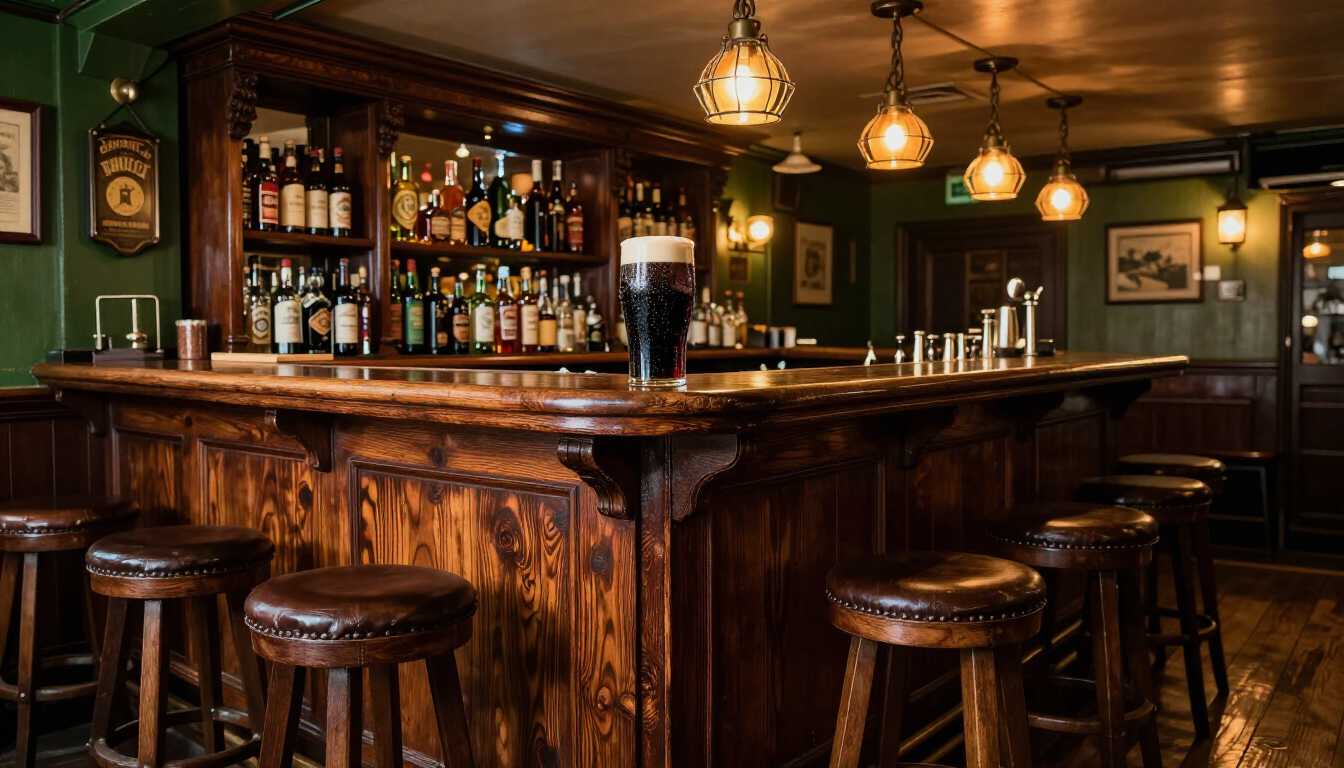
One specific social norm to understand is the 'round system' in pubs. If you are drinking in a group and someone offers to 'get a round,' they are paying for everyone's drink at that moment. The unspoken rule is that everyone in the group will eventually take their turn buying a round. If you accept a drink, be prepared to buy the next one. For Americans visiting Ireland, failing to buy your round is considered a significant social faux pas. If you don't want to participate, it is perfectly acceptable to say so at the beginning and buy your own drinks throughout the night.
Essential Takeaways for Your Irish Adventure
Planning a trip across the Atlantic is an exciting endeavor, and being prepared ensures that you spend your time enjoying the vistas rather than stressing over logistics. Ireland is a land of immense beauty and legendary hospitality, but it rewards those who come prepared for its unique quirks. By understanding the driving conditions, packing for the rain, and respecting the local social etiquette, you will find yourself welcomed with open arms.
- Pack for Layers: Waterproof gear is more important than a heavy coat.
- Rent an Automatic: Save yourself the stress of shifting gears on narrow roads.
- Check Your Currency: Use Euros in the South and Pounds in the North.
- Embrace the Pace: Don't over-schedule; leave room for spontaneous 'craic.'
- Book Early: Private tours and high-end accommodations fill up fast, especially for peak summer months.
If you are ready to start planning a journey that goes beyond the guidebook, we invite you to learn more About Us and our philosophy of travel. Whether it's your first time or a return visit to find your ancestral roots, Ireland is waiting to share its magic with you.