Best Time to Visit Ireland: Month-by-Month Guide
The best time to visit Ireland is from May to September . During these months, you will experience the mildest temperatures and the longest daylight hours. May and September are particularly recommended as they offer beautiful, lush landscapes and fewer crowds than the peak summer months of July and August.
What is the best time to visit Ireland?
Deciding when to book your flight to the Emerald Isle often feels like a balancing act between seeking the best weather and avoiding the biggest crowds. Because of Ireland’s unique position in the North Atlantic, the weather is famously unpredictable—we often say you can experience all four seasons in a single afternoon. However, for most travelers, the window between late spring and early autumn provides the most reliable conditions for exploring the Wild Atlantic Way tours and the hidden gems of the countryside.
At Evergreen Private Tours, we have spent over 25 years navigating these lanes. We’ve found that the "best" time truly depends on what you want to experience. If you are looking for vibrant green hills and blooming gorse, spring is your season. If you want late-night sunsets that stretch until 10:00 PM, mid-summer is unbeatable. For those who prefer a quieter, more contemplative journey with a touch of crisp air, the autumn months are a local favorite.
Ireland’s Seasonal Weather Patterns
Ireland enjoys a temperate maritime climate. This means we rarely see extreme heat or freezing cold. The Gulf Stream brings warm water from the Caribbean, keeping our shores much milder than other places at the same latitude.
Spring (March to May): Temperatures range from 8°C to 15°C. Expect a mix of showers and bright sunshine.
Summer (June to August): The warmest months, with averages between 16°C and 20°C, though heatwaves can push this higher.
Autumn (September to November): Temperatures cool down to 10°C–14°C, with increasing breeze and rain.
Winter (December to February): Crisp and cool, averaging 5°C to 8°C. Snow is rare but frost is common.
Daylight: In June, the sun barely sets, while in December, it gets dark by 4:30 PM.
Is visiting Ireland in spring worth it?
Spring is a time of incredible transformation in Ireland. Starting in March, the landscape wakes up from its winter slumber. This is one of the most cost-effective times to visit, and since we limit our 7 Day Ireland Tour to only twenty-one exclusive departures a year, early spring offers a wonderful sense of solitude.
March is synonymous with St. Patrick’s Day. While Dublin becomes a chaotic hub of celebration, the rest of the country celebrates with local parades and traditional music sessions. It is a fantastic time to see the "real" Ireland before the tourist season officially kicks off. April brings the first real signs of the famous "forty shades of green," with lambs dotting the hillsides and daffodils lining the roads.
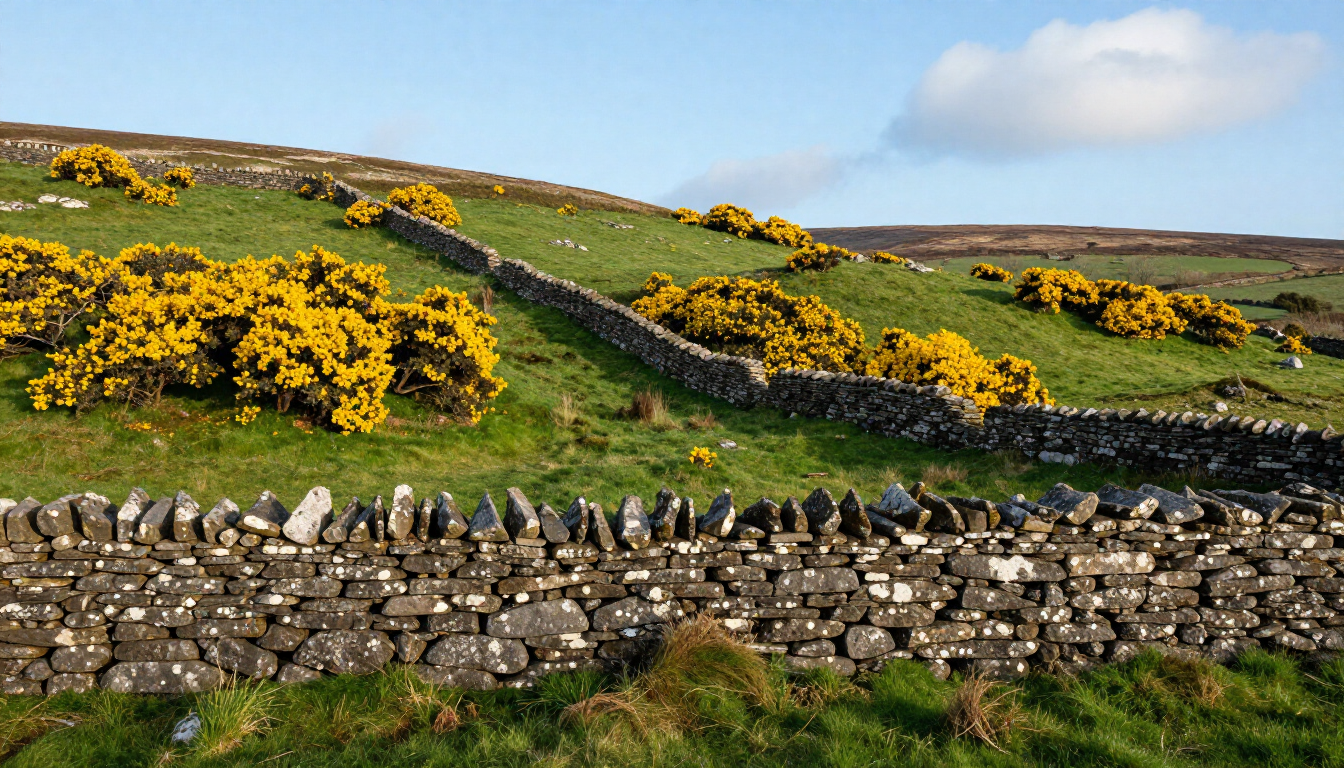
May is arguably the best month of the entire year. It is historically the driest month in many parts of the country. The hawthorn and gorse bushes are in full bloom, painting the landscape in whites and vibrant yellows. With the days lengthening significantly, you can fit more into your itinerary without feeling rushed. It’s the perfect time for a 14 Day Ireland Tour to see the country in its prime.
Summer Fun and Longer Days
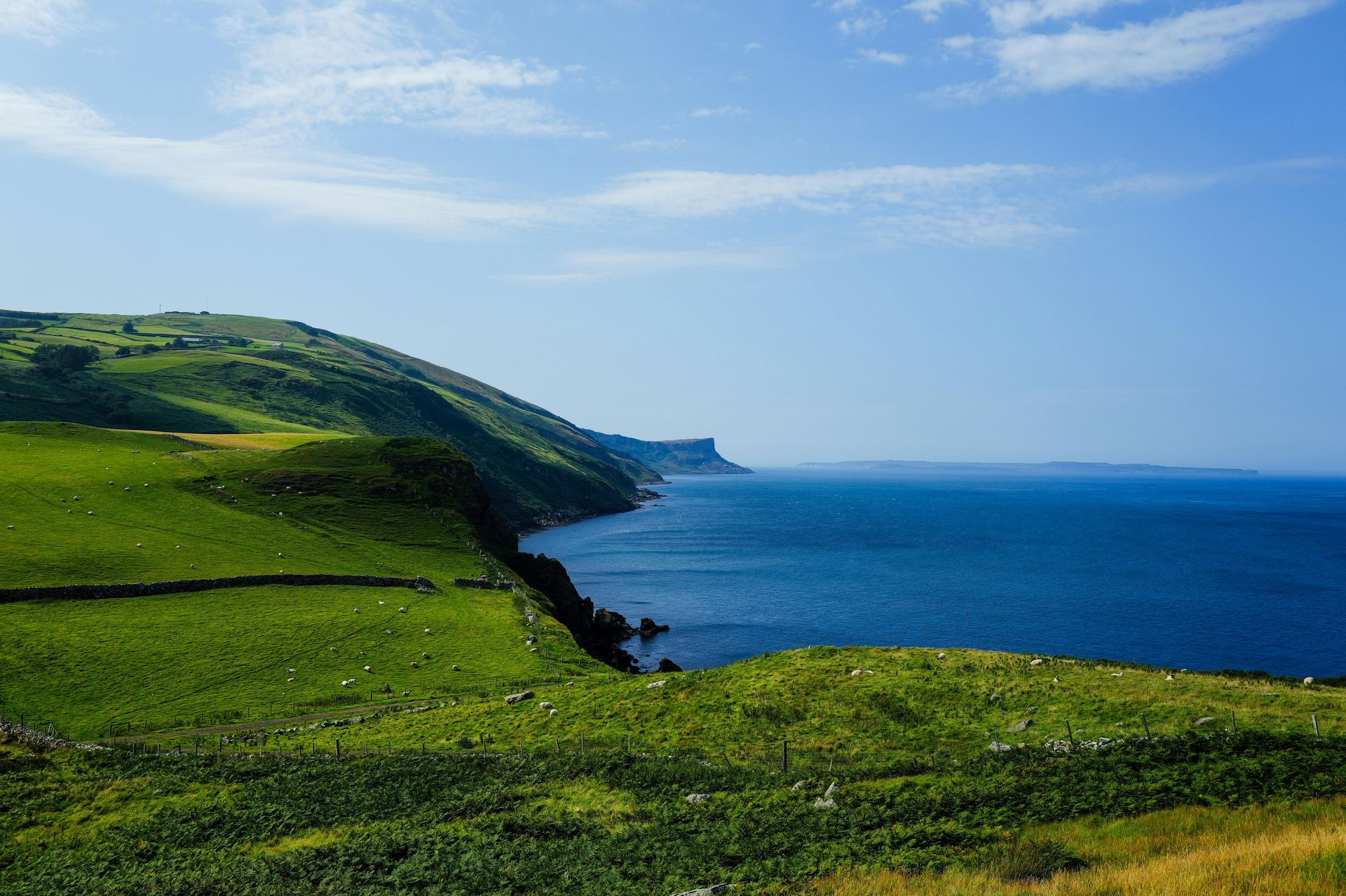
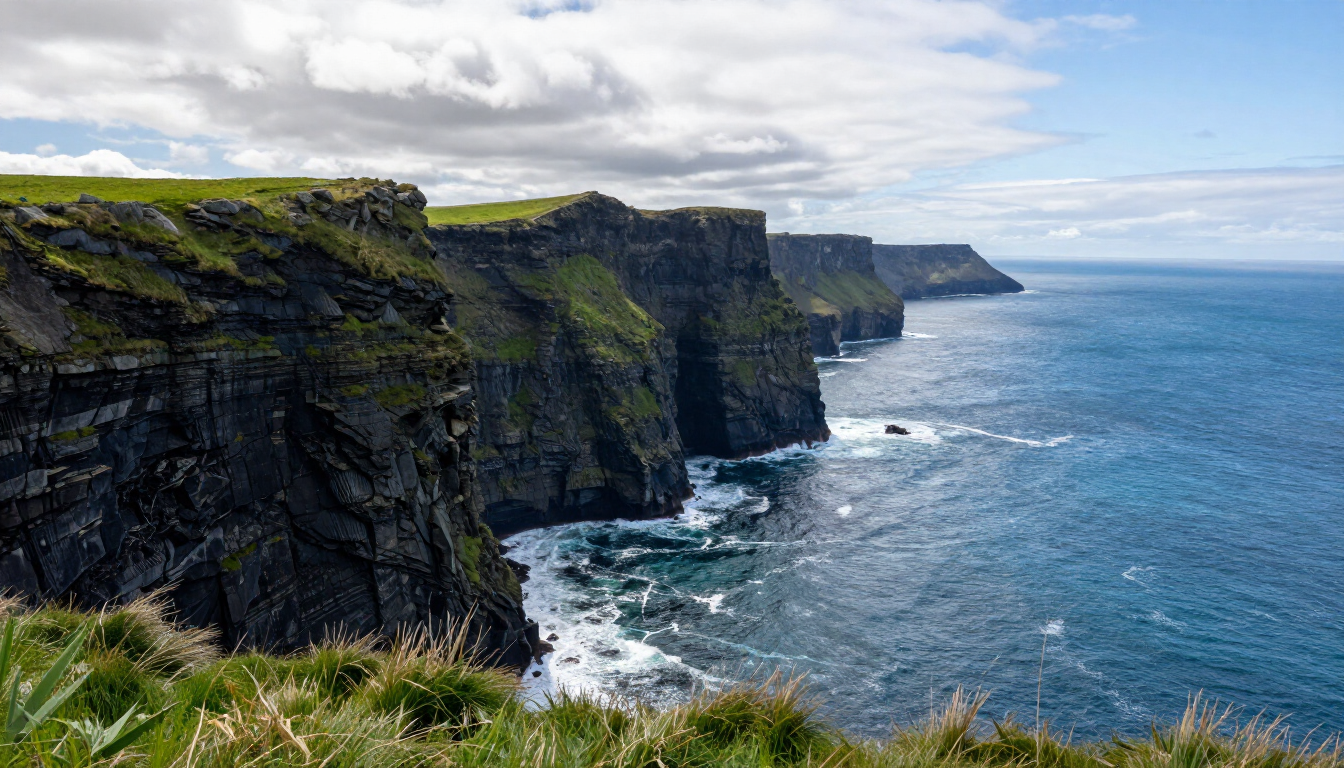
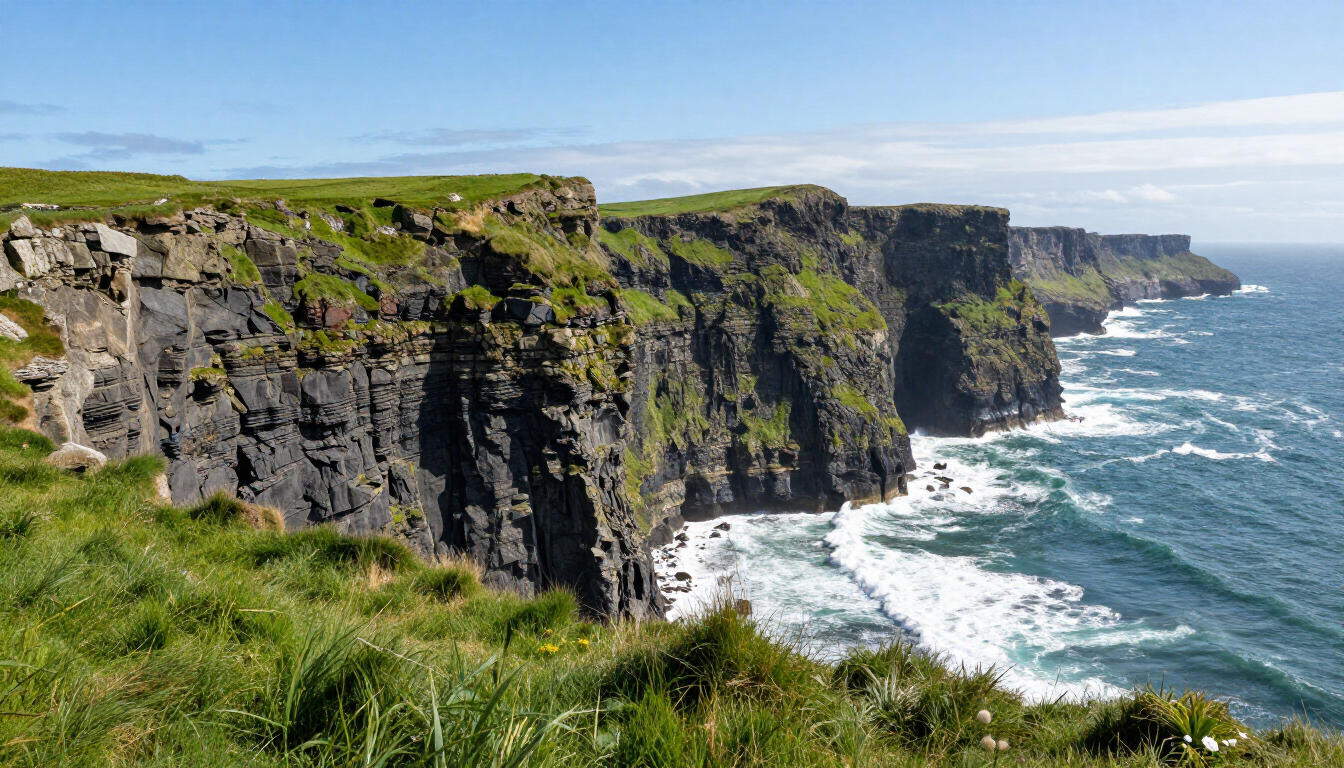
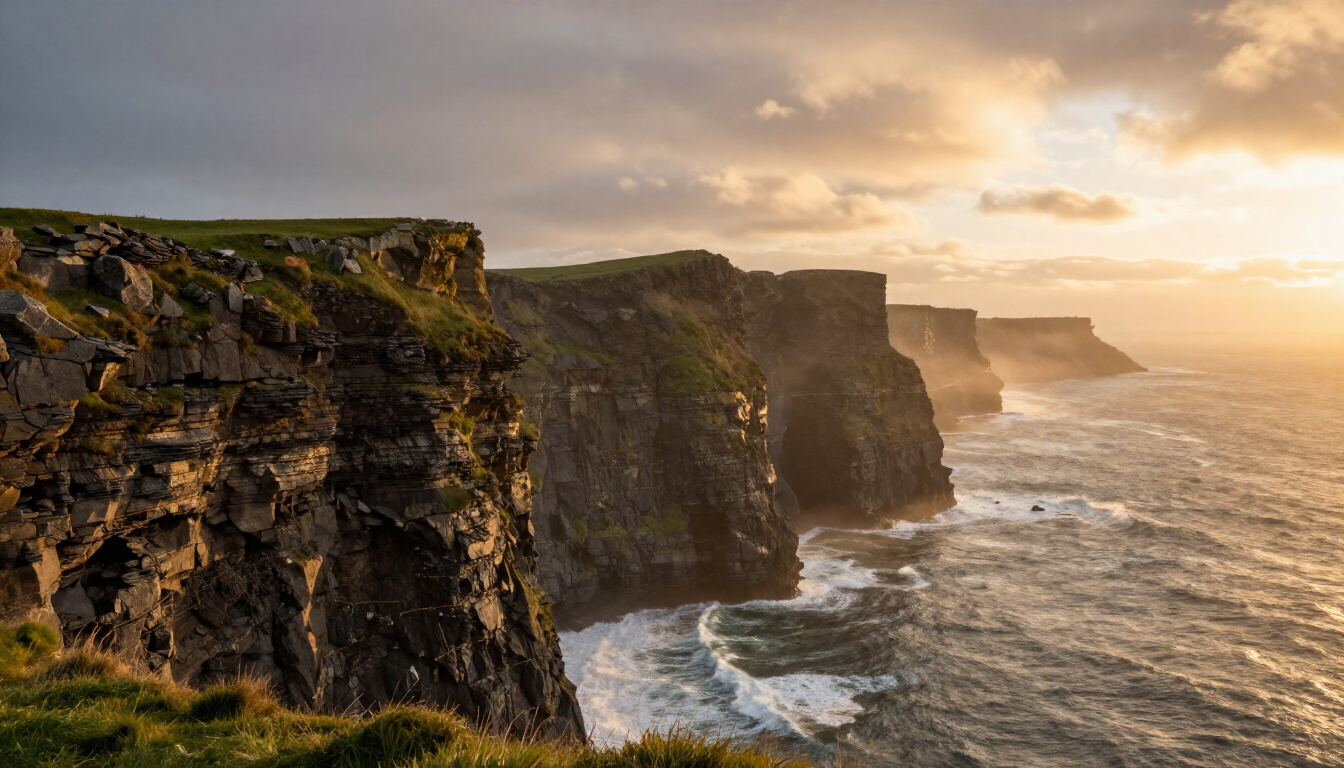
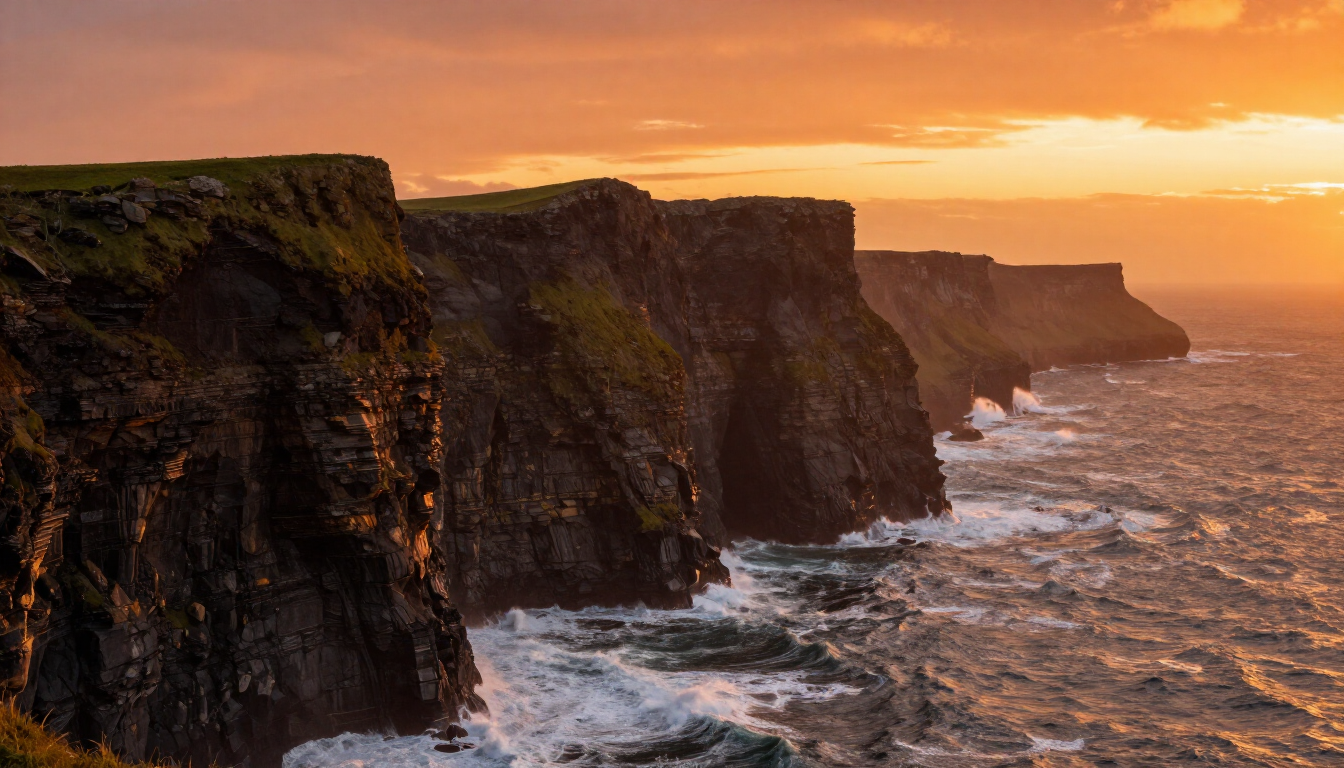
When June arrives, Ireland enters its peak season. This is when the country feels most alive. The hedgerows are heavy with wildflowers, and the outdoor seating at pubs begins to fill with locals and visitors alike. If you are planning to visit the Cliffs of Moher or Galway , summer provides the best visibility for those iconic coastal views.
June is a fantastic choice because the schools are still in session for the first half of the month, meaning family crowds are thinner. The "midnight sun" effect is real; you can finish a gourmet dinner at 9:30 PM and still step outside into twilight. It makes for very safe and pleasant evening strolls through historic towns.
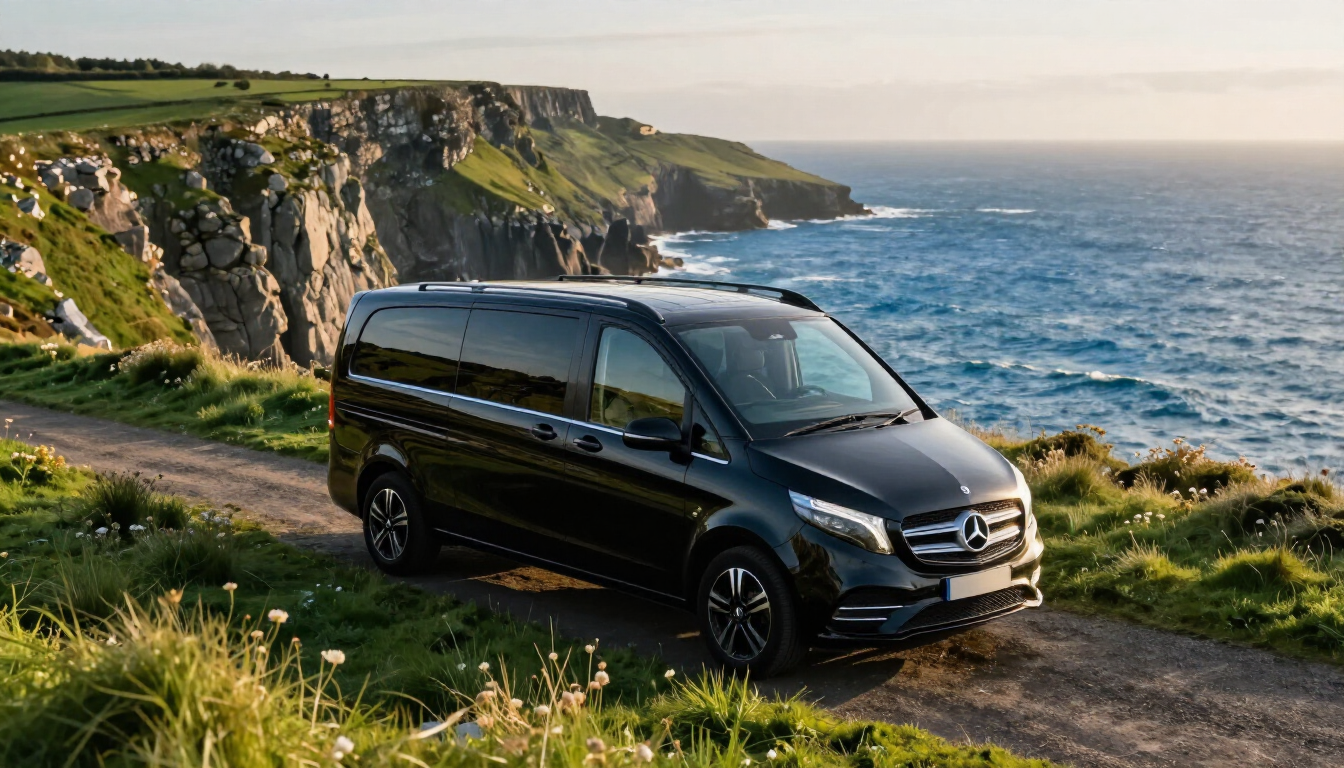
July and August are the warmest months and represent the height of the festival season. From the Galway Races to the Rose of Tralee, there is an energy in the air that is infectious. However, this is also when the most famous sites are at their busiest. This is where having a private guide becomes invaluable. At Evergreen, we know the secret backroads and the timing required to avoid the tour bus surges, ensuring your experience remains intimate even in the busiest season.
Why is September the secret favorite of locals?
If you ask a local when they would choose to travel within Ireland, most will point to September. The sea is at its warmest after the summer sun, the kids are back in school, and a sense of calm returns to the coastal villages. The weather often stays remarkably settled—we frequently enjoy what we call an "Indian Summer."
September is also a month of incredible food. It is the start of the native oyster season, and harvest festivals take place across the country. The light changes in September too; it becomes softer and more golden, making it a dream for photographers. If you are considering The South West tours of Kerry and Cork, the purple heather on the mountains at this time is breathtaking.
October brings the true colors of autumn. The deep copper and gold of the Killarney National Park woods are legendary. While the chance of rain increases, the atmosphere becomes incredibly cozy. There is nothing quite like spending a misty afternoon in a 17th-century pub with a peat fire roaring in the hearth. It’s also the month of Samhain (Halloween), which originated in Ireland, so the cultural storytelling is at its peak.
What can you expect from a winter visit?
Winter in Ireland is for the traveler who values atmosphere over activities. From November through February, the pace of life slows down significantly. While some smaller seasonal attractions might close, the heart of Ireland—its pubs, its history, and its people—remains wide open.
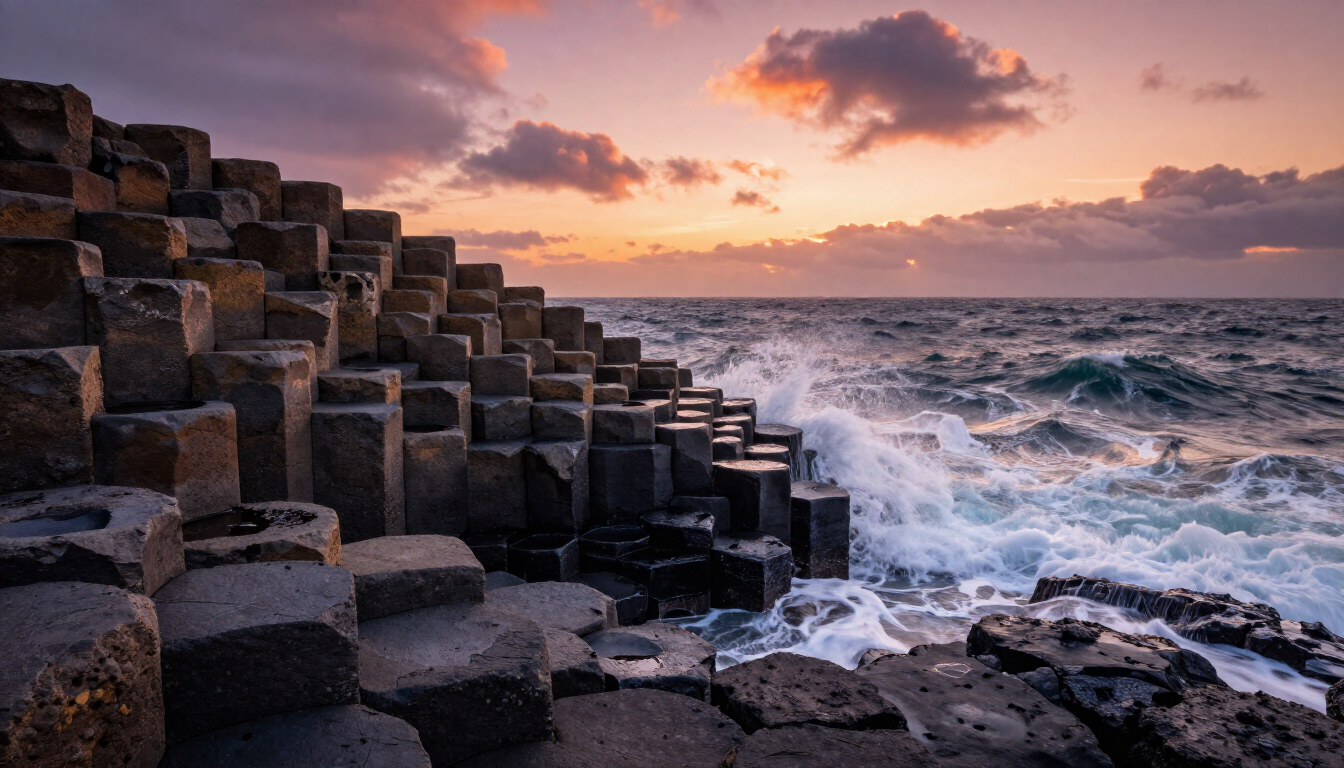
December is a magical time to visit our cities and towns. The Christmas markets in Belfast and Galway are world-class, and the festive decorations in the historic hotels provide a luxury experience like no other. If you are interested in The North and Belfast , winter is a great time to explore the Titanic Quarter and the Giant's Causeway without the summer throngs.
January and February are the quietest months. This is the time for "slow travel." You might find yourself the only person standing at a Neolithic tomb or walking along a beach in Donegal. The weather is cool and damp, but the welcome in the local pubs is warmer than ever. It is the best time for traditional music sessions, as the musicians are playing for themselves and their neighbors rather than for a crowd of tourists.
How to choose the right month for your tour?
Choosing your travel dates depends on your personal priorities. To help you decide, consider these five primary factors:
- Photography and Scenery: Choose May or June for vibrant greens and long light, or October for autumn colors.
- Outdoor Activities: July and August offer the best weather for hiking, boating, and island hopping.
- Budget and Crowds: April, September, and October offer the best balance of lower prices and manageable crowds.
- Cultural Immersion: March (St. Patrick's Day) or July/August (Festivals) provide the most event-heavy experiences.
- Peace and Quiet: November to February is ideal for those looking to escape the modern world and enjoy solitude.
Final Planning Checklist for 2026
No matter when you decide to visit, the key to a successful Irish vacation is preparation. Because we only offer a limited number of exclusive tours each year, we recommend booking at least 8–12 months in advance, especially for the popular May–September window.
Ireland is a land that rewards the curious and the well-prepared. Whether you are standing atop the wind-swept cliffs in the height of summer or warming your hands by a fire in the depths of winter, the spirit of the country remains the same. The warmth of the people and the depth of the history are not seasonal—they are a permanent part of the landscape.
Pack in layers: Always carry a waterproof jacket, regardless of the month.
Book ahead: Accommodations in popular areas like Dingle and Galway fill up fast.
Think local: Seek out artisan food producers and local craft markets.
Check the sunset: Plan your driving and sightseeing around the available daylight.
Hire a professional: Ensure you don't miss the stories behind the scenery.
Ready to start planning your perfect journey? Contact Us today to secure one of our exclusive 2026 tour slots and experience Ireland exactly how it was meant to be seen.
Essential Takeaways for Your Ireland Visit
To wrap up, here are the most important things to remember when timing your trip to Ireland:
The Weather Window: May through September offers the most reliable weather for touring.
The Sweet Spot: May, June, and September provide the best mix of daylight, weather, and lower crowd density.
The Festival Peak: July and August are vibrant but require much earlier booking for hotels and transport.
The Off-Season Charm: Winter is perfect for those who love cozy interiors, traditional music, and avoiding other tourists.
The Private Advantage: Regardless of the month, a private guide can navigate weather shifts and crowd surges to keep your trip stress-free.
Choosing the right time is just the first step. The real magic happens when you step off the plane and breathe in the fresh Atlantic air. Whenever you choose to come, Ireland will be waiting with a "Céad Míle Fáilte"—a hundred thousand welcomes.