
What to Pack for Ireland in Every Season

Derek O'Keeffe • May 17, 2026

To stay comfortable in Ireland’s famously changeable weather, your Ireland packing list must center on a versatile layering system. Prioritize a high-quality waterproof jacket, breathable mid-layers like merino wool, and water-resistant footwear. This strategy ensures you remain dry and warm while transitioning between coastal winds and cozy interior settings.

What is the Golden Rule for Irish weather?

If there is one thing we have learned in over 25 years of guiding guests through the winding lanes and rugged coastlines of this island, it is that the weather is a living, breathing character in the story of your trip. At Evergreen Private Tours, we often tell our guests that you haven't truly seen the island until you’ve seen it in the rain. However, seeing it in the rain and being soaked through are two very different experiences. The "Golden Rule" for any successful journey here is a comprehensive three-layer system. This isn't just a suggestion; it is the foundation of comfort when you Explore Ireland and its unpredictable Atlantic climate.

This system allows you to adapt to the "four seasons in one day" phenomenon that locals know all too well. Your base layer should be moisture-wicking—think light wool or synthetic fabrics that keep sweat away from your skin. The insulating middle layer is where the warmth happens; a fleece or a light down vest works wonders. Finally, the outer shell must be 100% waterproof and windproof. A mere water-resistant hoodie will not suffice when the Atlantic mists roll over the Cliffs of Moher. By adhering to this system, you can peel off layers during a sunny afternoon in a Killarney meadow and quickly bundle back up when the wind picks up on the coast.

Essential items for your Ireland packing list

Before we dive into the specifics of the seasons, there are a few non-negotiable items that belong in your suitcase regardless of when your plane touches down in Dublin or Shannon. These are the workhorses of your wardrobe that will see you through everything from a 7 Day Ireland Tour to a quick weekend in the city.

  • A high-quality, breathable waterproof jacket with a hood.
  • Two pairs of comfortable, broken-in walking shoes or boots.
  • A compact, wind-resistant travel umbrella (for city walks).
  • A versatile daypack with a rain cover for daily excursions.
  • A reusable water bottle to stay hydrated during long scenic drives.

What should you wear during an Irish spring?

Spring in Ireland, spanning from March to May, is a time of incredible transformation. The fields turn that iconic shade of emerald, and the lambs begin to dot the hillsides. However, it is also a season of transition where temperatures can fluctuate between 45°F and 60°F. If you are planning to visit during this time, your what to wear in Ireland strategy should focus on versatility and warmth. March can still feel quite wintry, especially in the north or along the The West Coast .

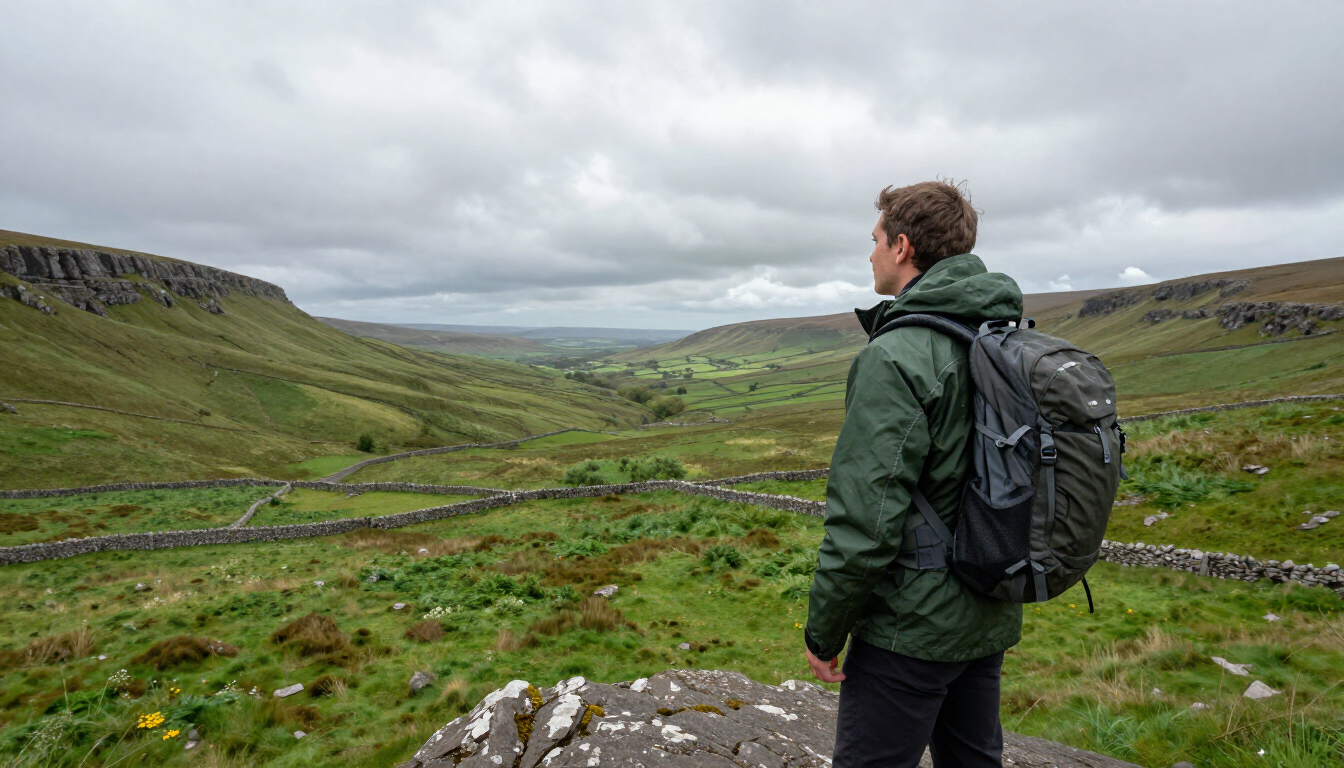
Scenic Irish countryside

During the spring, we recommend packing a mix of long-sleeved shirts and light sweaters. A scarf is a quintessential Irish accessory that isn't just for fashion; it provides a vital barrier against the brisk spring breeze. For those early morning starts when we head out to beat the crowds at the Rock of Cashel, you will be grateful for a light pair of gloves. As the day warms up, you can store these in your daypack. Spring is also a time of frequent but short-lived showers, so having your waterproof shell within easy reach is essential.

Packing for the Irish summer: Sun or rain?

Summer (June to August) brings the longest days of the year, with daylight lasting until nearly 11:00 PM in late June. While temperatures are mild—usually ranging from 60°F to 70°F—it is rarely "hot" by international standards. This is the season where many visitors make the mistake of packing only shorts and t-shirts. Even in July, a coastal wind can make a 65-degree day feel much cooler. Your summer wardrobe should still include at least one heavy sweater or fleece for the evenings.

Lightweight trousers or jeans are perfect for most daytime activities. If you are joining us for a 14 Day Ireland Tour , you might see a few days of glorious sunshine where shorts are appropriate, but they should never be your only option. Linen is a great fabric for Irish summers as it breathes well during the day but offers some protection if the clouds roll in. Don't forget sunglasses and sunscreen; the Irish sun can be surprisingly strong even on overcast days, particularly when reflected off the ocean during a boat trip to the Skellig Islands.

What to pack for Ireland in autumn?

Autumn, from September to November, is perhaps one of the most beautiful times to visit. The crowds thin out, and the landscape shifts into hues of gold and rust. However, the weather becomes more unsettled, and the wind speeds begin to rise. When deciding what to pack for Ireland in the fall, you should shift your focus toward heavier fabrics. Flannel shirts, corduroy trousers, and thicker wool socks become your best friends.

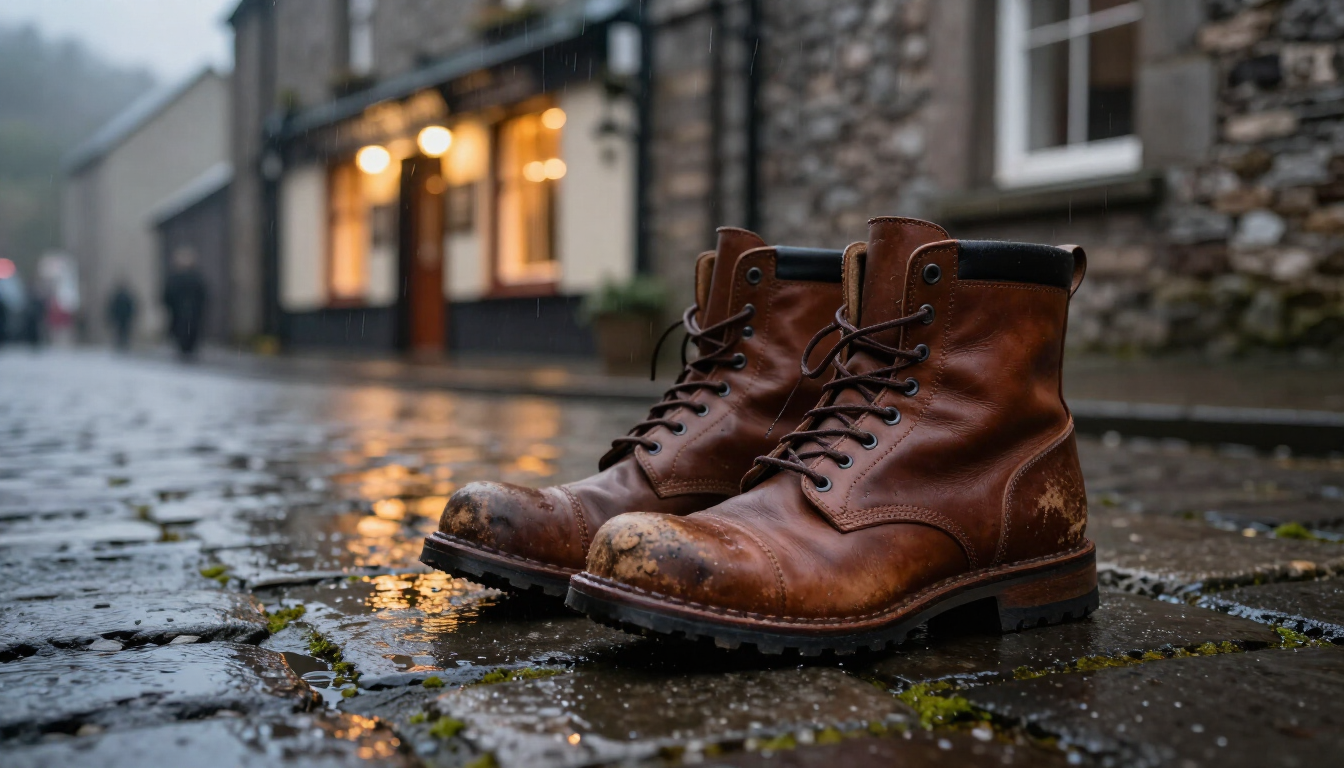
Leather boots on cobblestones

By October, the temperatures start to dip back toward the 50s, and the rain becomes more persistent. This is the time to ensure your waterproof gear is truly up to the task. If you are planning a trip to The North to see the Giant’s Causeway, the wind coming off the North Atlantic can be fierce. A hat that stays securely on your head (avoid wide brims that can catch the wind) is a must. Many of our guests find that a high-quality headband or a beanie is the most practical way to keep their ears warm while exploring ruins or hiking coastal trails.

Winter in Ireland: Staying warm and dry

Winter (December to February) is the season of cozy pubs, roaring turf fires, and dramatic stormy seas. While Ireland rarely sees heavy snow, the damp cold can feel quite biting. Temperatures hover around 40°F to 45°F, but the humidity means the cold gets into your bones if you aren't prepared. For a winter visit, your Ireland travel tips list should prioritize thermal base layers. Silk or merino thermals are thin enough to fit under your regular clothes without adding bulk but provide an essential layer of insulation.

Heavy knitwear is the star of the show in winter. This is the perfect time to wear an authentic Aran sweater—not just because it looks great in photos, but because the natural oils in the wool help repel moisture. A heavier, insulated waterproof coat is necessary for winter, as the light shells used in summer won't provide enough warmth. If your itinerary includes Scotland & Ireland. , be prepared for even colder temperatures as you move further north. Winter is about staying snug so you can enjoy the festive atmosphere of the towns and the quiet beauty of the countryside.

Essential footwear for the Emerald Isle

We cannot emphasize enough the importance of footwear. Ireland is best explored on foot, whether you are walking the medieval streets of Kilkenny or trekking through the Burren. Your shoes must be two things: comfortable and water-resistant. We recommend leather walking shoes or treated hiking boots. Sneakers are fine for city days, but they will quickly become soggy if you step off the pavement into the lush (and often wet) Irish grass.

How to dress for luxury stays and fine dining?

While Ireland is generally a casual country where "smart casual" will get you in almost anywhere, our guests often stay in some of the country’s most prestigious manor houses and castle hotels. For these environments, you may want to elevate your style. For men, a tailored blazer and a collared shirt are perfect for dinner. Ties are rarely required unless you are attending a very formal event. For women, a stylish dress or nice slacks with a blouse and a pashmina works beautifully.

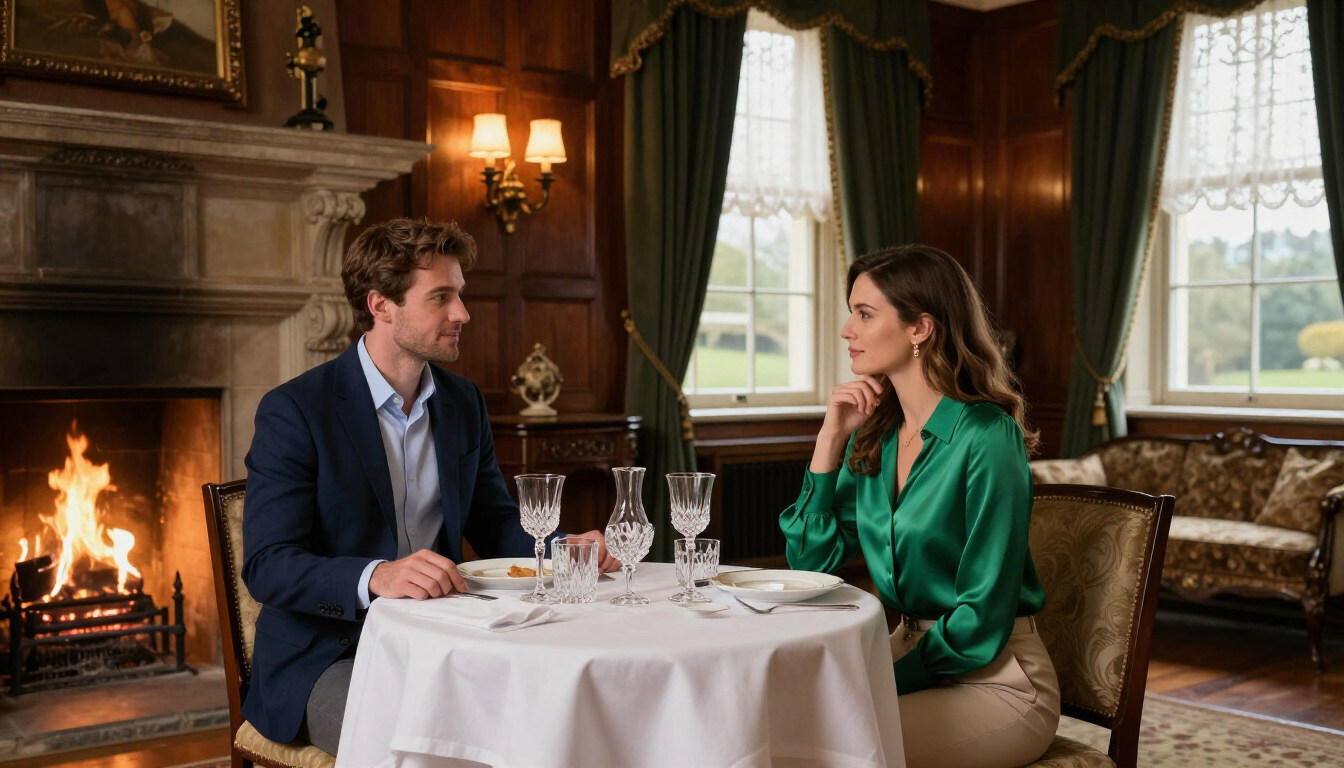
Luxury dining in Ireland

Keep in mind that historic buildings can sometimes be drafty, so that pashmina or an elegant cardigan is a practical addition to your evening wear. When you are traveling with Evergreen Private Tours, your guide will always let you know if a specific venue on your itinerary has a stricter dress code. Generally, the goal is to look polished but feel comfortable enough to enjoy a multi-course meal featuring the best of Irish local produce.

Practical Ireland travel tips for tech and health

Beyond clothing, your Ireland packing list should include a few essential gadgets and health items. Ireland uses the Type G plug (the three-pronged UK plug), so you will need an adapter if you are coming from North America or Mainland Europe. A portable power bank is also highly recommended, as long days of taking photos of the Ring of Kerry can drain your phone battery quickly.

  • Type G power adapters (at least two).
  • A portable phone charger for long days out.
  • Any prescription medications in their original packaging.
  • A small basic first-aid kit with blister plasters.
  • Motion sickness tablets if you plan on taking coastal ferries.

Summary of what to pack for Ireland

Packing for Ireland doesn't have to be a daunting task if you follow the logic of layers. By focusing on quality over quantity and choosing pieces that can be mixed and matched, you’ll be prepared for whatever the Atlantic throws your way. Remember that the weather is part of the charm; the mist is what makes the grass so green and the rainbows so frequent.

Core Takeaways:

  • Always prioritize a high-quality waterproof outer layer regardless of the season.
  • Use a three-layer system (base, insulating mid, waterproof shell) to stay adaptable.
  • Invest in water-resistant, broken-in footwear to keep your feet dry and comfortable.
  • Bring smart-casual attire for luxury dining and castle stays.
  • Don't forget the essentials: power adapters, a daypack, and a good scarf.

Whether you are visiting in the height of summer or the quiet of winter, being well-prepared allows you to stop worrying about the rain and start focusing on the incredible history and hospitality of the Emerald Isle. If you are ready to plan your own exclusive journey, please Contact Us to discuss how we can craft a bespoke experience just for you. With the right gear in your suitcase, Ireland is ready to welcome you with open arms.

Travel Ireland

Executive touring vehicle parked in front of a stone castle ruin on a sunny day
By Derek O'Keeffe May 17, 2026
Discover what luxury travel in Ireland really feels like—from bespoke itineraries and hidden experiences to slow travel and authentic Irish hospitality.
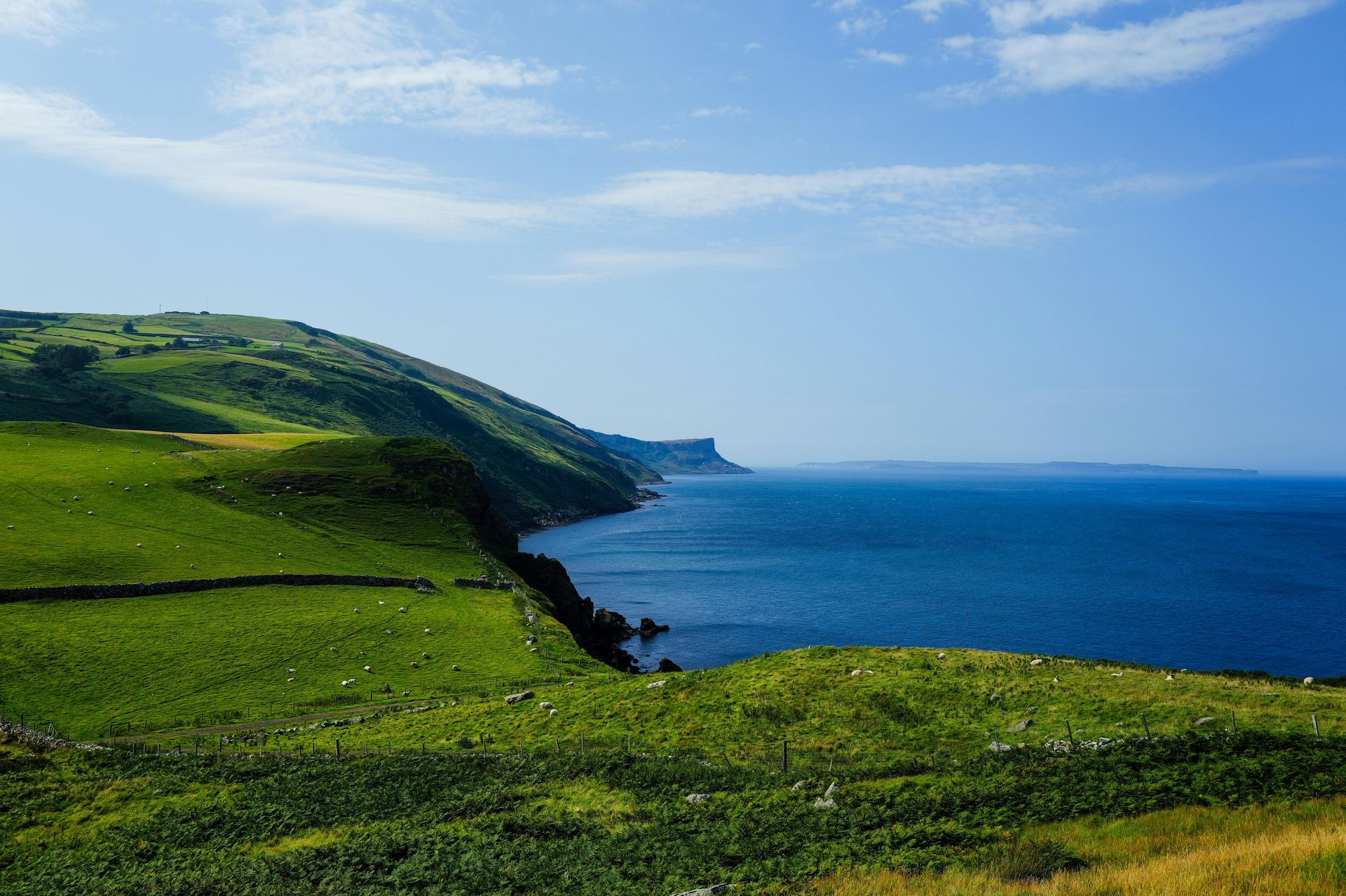
Green coastal cliffs overlooking a deep blue ocean under a bright sky
By Derek O'Keeffe May 17, 2026
Avoid the most common travel mistakes visitors make in Ireland — from rushing itineraries to underestimating driving times and missing Ireland’s hidden experiences.
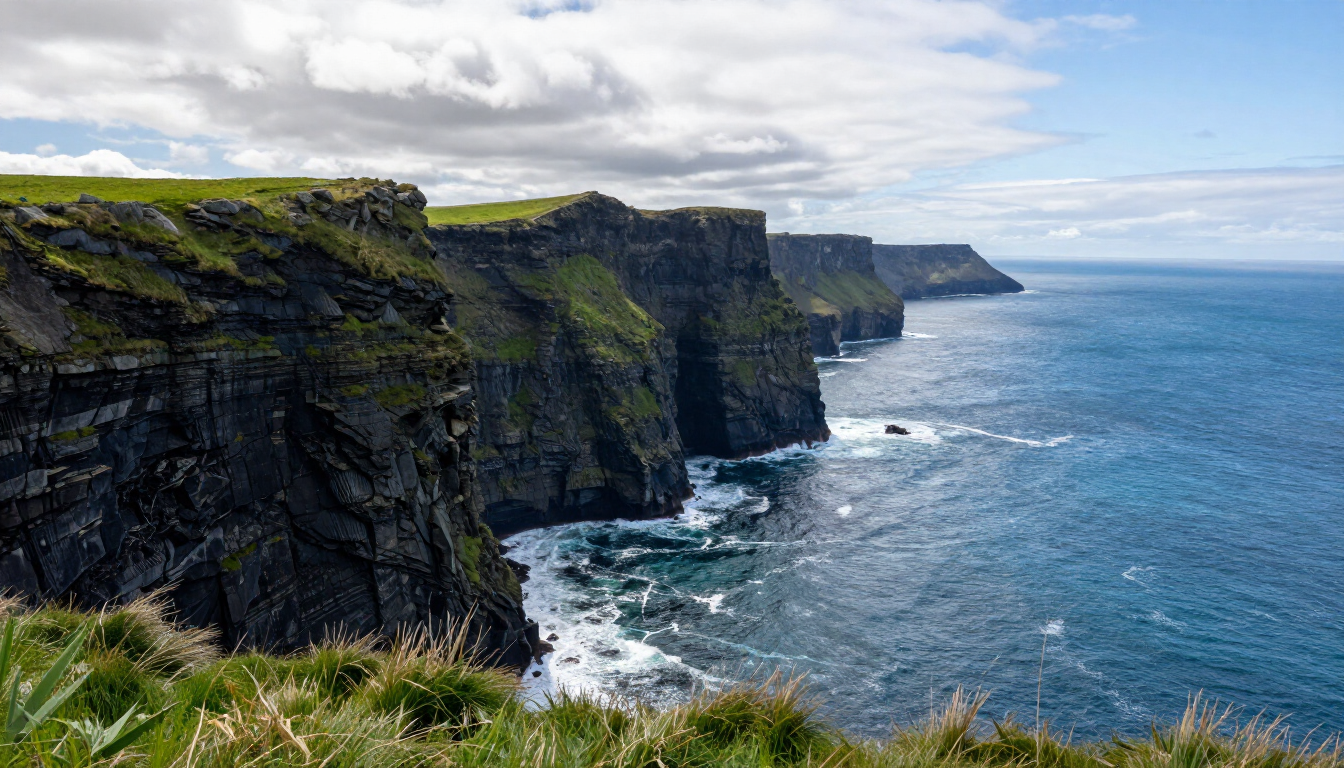
Panoramic view of the Irish coastline and green fields at sunset.
By Derek O'Keeffe May 17, 2026
Planning your first trip to Ireland from the USA? Discover essential travel tips, cultural etiquette, and driving advice every American visitor needs to know.
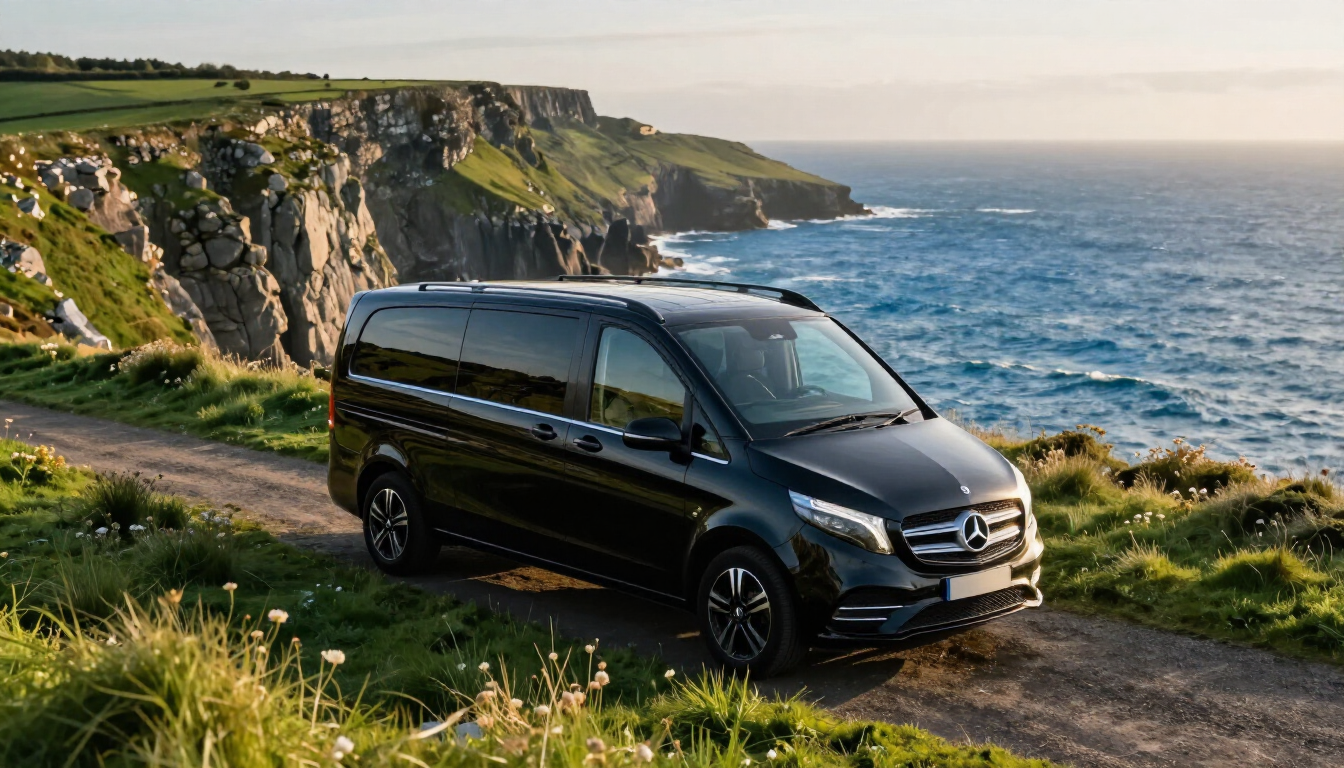
Luxury private tour vehicle in the Irish countryside
May 16, 2026
Thinking about driving around Ireland yourself? Discover why more visitors are choosing private tours for a more relaxed, immersive, and authentic Irish experience.
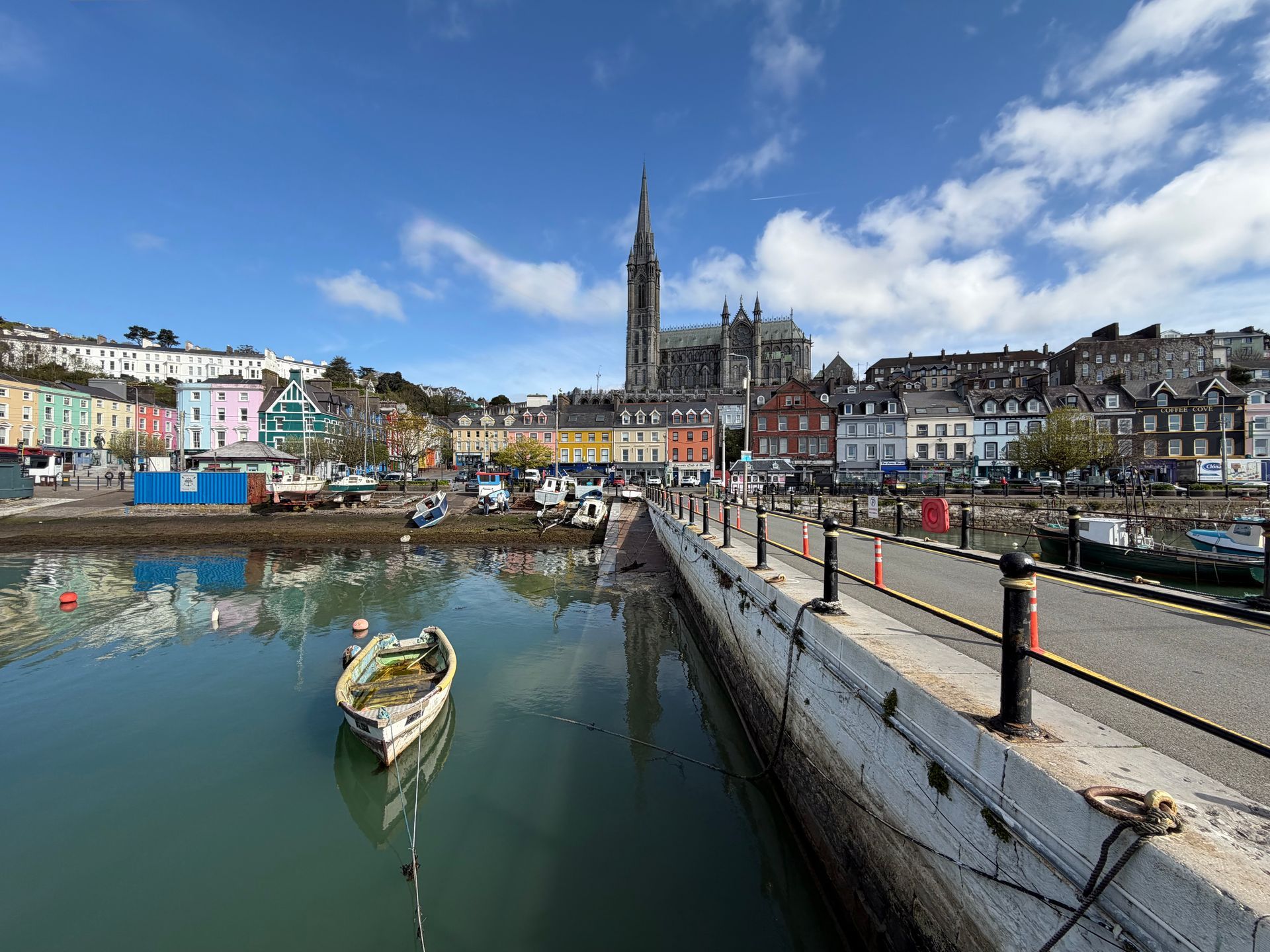
Beautiful landscape of the Irish countryside in the sun.
By Derek O'Keeffe May 15, 2026
Discover the best time to visit Ireland with this detailed month-by-month guide covering weather, crowds, scenery, and exclusive tour experiences across Ireland
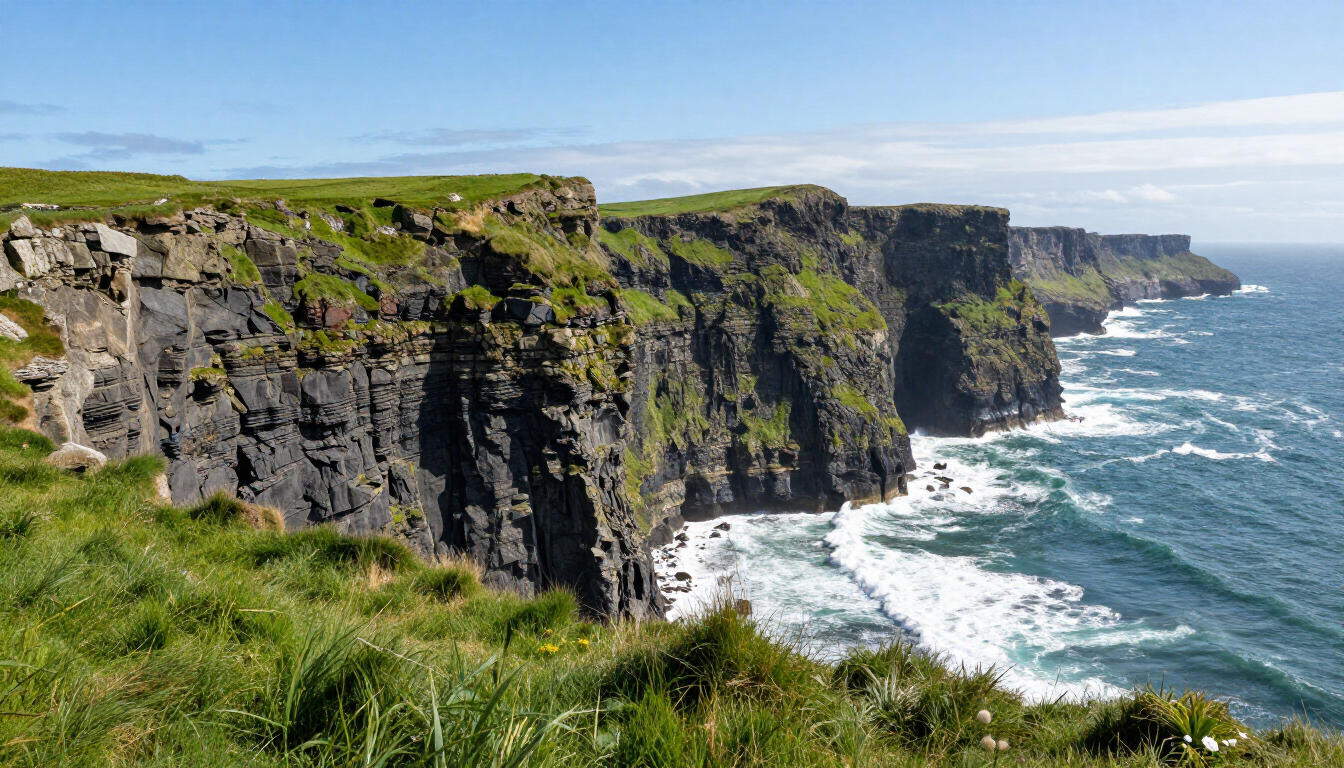
Scenic view of the Irish coastline and green fields.
By Derek O'Keeffe May 14, 2026
Planning a trip to Ireland? Discover how many days you really need to explore Ireland properly—from short city breaks to immersive 14-day private tours.
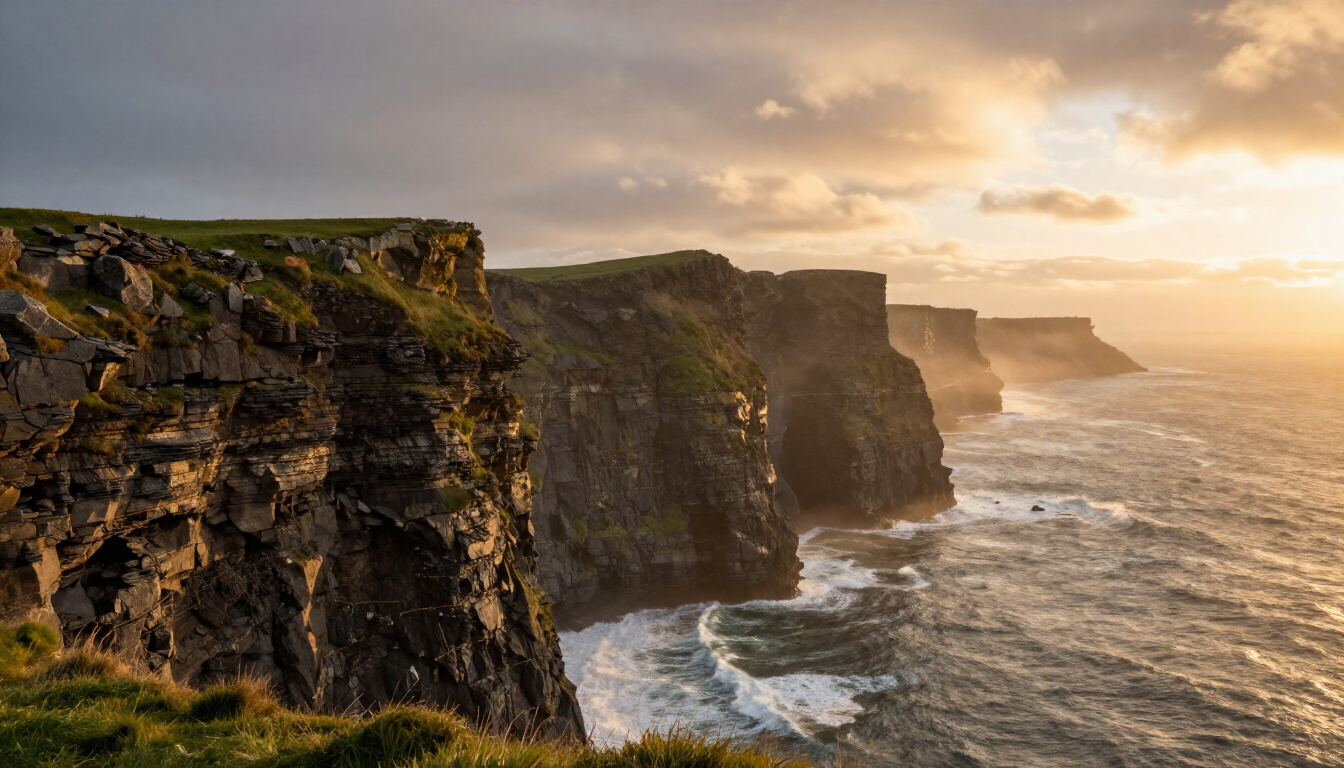
The majestic Cliffs of Moher at sunset
April 4, 2026
Discover the magic of the Cliffs of Moher with Evergreen Private Tours. Learn why this iconic site is a most-see on your next private tour of Ireland and how to avoid the crowds.
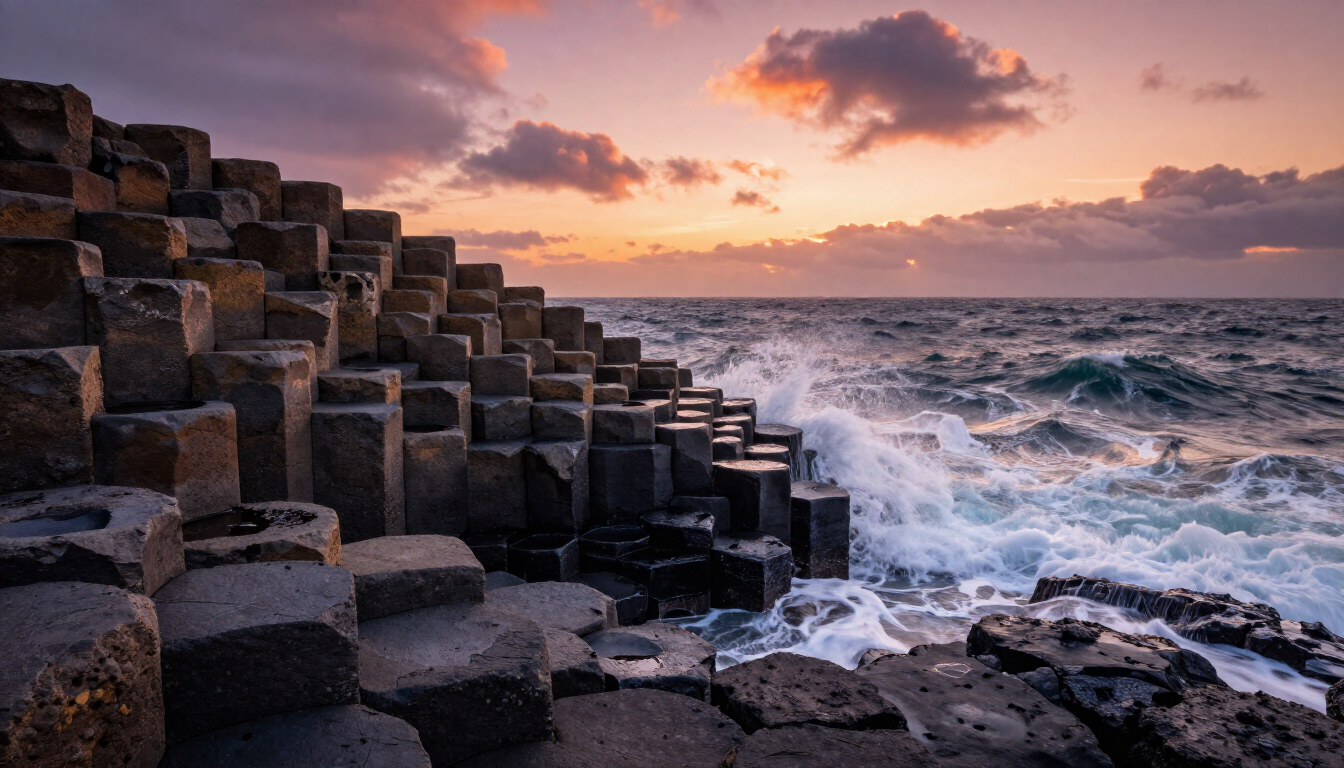
The iconic hexagonal basalt columns of the Giant's Causeway in Northern Ireland.
April 4, 2026
Discover why a Giant's Causeway visit is essential. Explore the history, myths, and geology of Northern Ireland's UNESCO site with Evergreen Private Tours.